Desert-Proof Roof Maintenance in Chandler Homes with Flat Sections
Flat and low-slope roof sections on Chandler homes work hard every single day.
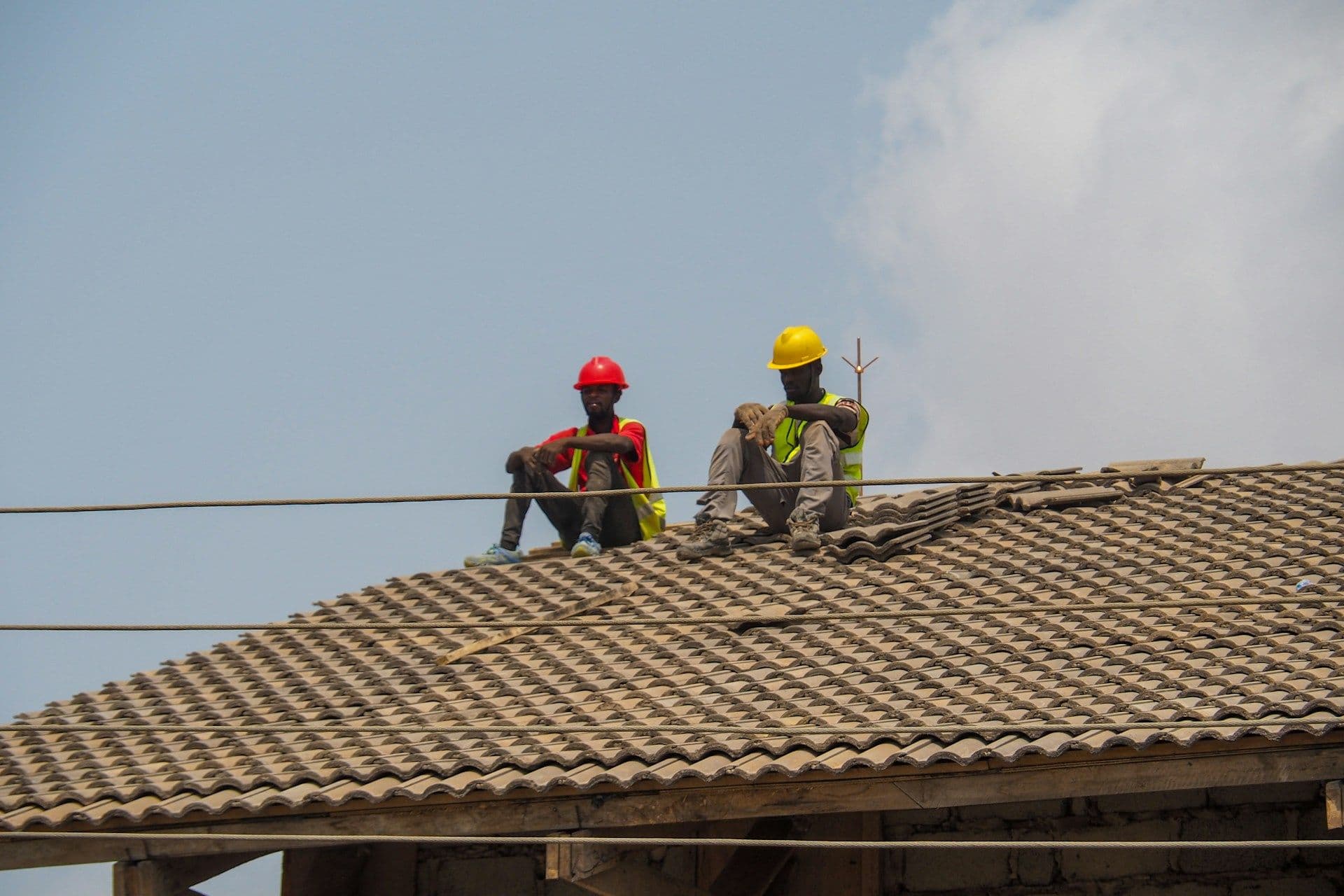
Keep Your Flat Roof Ready for Chandler’s Desert Climate
Flat and low-slope roof sections on Chandler homes work hard every single day. They take on extreme sun, sudden monsoon downpours, and constant dust, all while keeping the inside of your home dry and comfortable. When those areas are not cared for, small issues can turn into big leaks fast.
Desert-proof roof maintenance in Chandler means keeping your roof strong against heat, draining water the right way, and protecting it from UV and moisture. That includes good waterproofing, smart drainage, and regular checks on the roof surface. When you stay ahead of problems, you protect both your home and its value.
Many Chandler homes have flat sections with foam, modified bitumen, or TPO. Each of these reacts to Arizona’s sun and storms in its own way. A local roofing team that understands these materials and our desert weather can help your roof last longer and perform better through every season.
Why Flat Roofs in Chandler Need Extra Attention
Flat roof areas do not shed water as quickly as pitched roofs, and in Chandler’s climate that can cause extra stress. The sun is strong, the storms can be intense, and dust is part of daily life. All of these hit flat roofs especially hard.
Here is how our desert climate attacks flat roofs:
Extreme UV exposure dries out coatings and membranes
Monsoon rain collects in low spots and stays longer than it should
Dust and trash clog drains and scuppers so water has nowhere to go
When UV rays beat down on a flat roof, the surface can start to crack and blister. Seams and joints around penetrations like vents and skylights are often the first places to wear out. Once those areas open up, water can sneak under the material and spread out across the deck.
During monsoon storms, even a shallow layer of standing water can cause trouble. Ponding water adds weight, wears away coatings, and can slowly work into seams and tiny gaps. Over time, that leads to leaks, stained ceilings, and damaged insulation.
Dust and debris are another big issue in Chandler. Wind can push leaves, dirt, and trash into corners of a flat roof, where they pile up around scuppers and internal drains. When those get clogged, water backs up, finds the weakest spot in the roof system, and starts to seep into the structure below. Often, homeowners do not notice anything until they see a stain inside or smell something musty.
Seasonal Roof Maintenance in Chandler’s Monsoon Heat
Chandler’s weather runs in patterns that are helpful for planning roof maintenance. If you time your roof checks around the seasons, you can catch problems before they grow.
In spring, roughly April through June, it is smart to get your roof ready for monsoon storms. A spring prep visit can include:
Clearing dust, leaves, and trash from flat sections
Checking coatings for cracks, chips, or bare spots
Looking at flashing around walls, vents, and skylights
When these things are taken care of early, there is less chance you will deal with surprise leaks when the strong summer storms hit.
During monsoon season, from about July through September, your flat roof goes through a lot. After each major storm, it helps to check for:
Standing water that does not drain within a day
Soft or squishy spots when you walk carefully on the surface
New stains on ceilings or walls inside the home
Visible damage to foam, membranes, or seams on the roof
If you notice any of these signs, it is time to have a professional take a closer look before the next storm rolls through.
From October through March, weather tends to be calmer, which makes it a good window for follow-up work. This is the time to:
Reinspect after monsoon season stress
Plan repairs or re-coating during milder temperatures
Confirm drains, scuppers, and gutters are clear and secure
By staying on this cycle, your flat roof sections are better prepared for both the long hot days and sudden downpours.
Key Flat Roof Trouble Spots Chandler Homeowners Miss
Most leaks on flat or low-slope roofs do not start in the easy-to-see open areas. They usually show up in the details and edges that are harder to notice from the ground.
Common problem spots include:
Roof penetrations like vents and pipes
Skylights and their frames
HVAC curbs and platforms
Parapet walls and caps
Spots where flat sections meet pitched areas like tile or shingle roofs
These areas move a little as the roof heats and cools, so the sealants and flashings around them can crack or pull away. Once that happens, water has a direct path into the roof system.
Drainage parts are another issue. Scuppers, internal drains, and gutters do not look very exciting, but they are some of the most important pieces of a desert-proof roof. When they are clogged, a heavy monsoon shower can turn a flat section into a shallow pool, putting pressure on seams and coatings.
On the surface itself, early warning signs are often small and easy to overlook, such as:
Blistering or bubbles in coatings or membranes
Alligator cracking, where the surface looks like dry, cracked mud
Exposed foam or underlayment where the top layer has worn away
Loose or lifted seams on rolled roofing
Catching these issues early almost always costs less than waiting until there is structural damage or mold inside the home.
Professional Desert-Proofing for Chandler Flat Roofs
When a professional roofer visits a home with flat roof sections, the goal is to spot problems early and strengthen weak areas before they fail. A typical maintenance visit can include a full visual inspection, checking for moisture issues, touching up sealants, and making minor repairs where needed.
For Chandler’s heat and storms, there are a few desert-focused strategies that help flat roofs stand up better:
Reflective coatings that help cut heat gain on the roof surface
Drainage improvements so water moves off the roof more quickly
UV-resistant materials on seams, edges, and high-stress areas
Careful tie-ins where flat sections connect with tile or shingle roofs
When a roofing contractor is licensed, insured, and local to the area, they understand how our weather patterns and building styles work together. That means they can suggest maintenance plans that match Chandler’s conditions, local codes, and typical HOA expectations. Over time, this kind of care can help extend roof life, support better performance, and even reduce how hard your AC has to work on very hot days.
Schedule a Desert-Ready Roof Check Before the Next Storm
Before monsoon storms ramp up, it pays to know how your flat roof sections are doing. If your home has any low-slope areas, watching for small clues can help you decide when it is time for a professional inspection.
A simple checklist for homeowners might include:
New or spreading ceiling stains
Musty odors that will not go away
Visible cracks, bubbles, or bare spots on the roof
Areas where water always seems to collect after rain
AZ Roofing LLC is a family-owned, licensed, and insured roofing contractor serving the greater Phoenix area, including Chandler, with roof repair, replacement, installation, and maintenance for both homes and businesses. Our team understands how local flat roof systems respond to desert sun and monsoon storms, and we focus on keeping them desert-proof, dependable, and ready for whatever the season brings.
Get Started With Your Project Today
If you are ready to extend the life of your roof and prevent expensive surprises, our team at AZ Roofing LLC is here to help with professional roof maintenance in Chandler. We will assess your roof, explain your options in plain language, and schedule service at a time that works for you. Reach out today to discuss your needs or request an estimate through our contact page.