Desert Roof Inspection Phoenix Homeowners Need Before Adding Insulation
Adding more attic insulation sounds like an easy win. Less heat getting into your home, lower AC bills, and a more comfortable space, right?
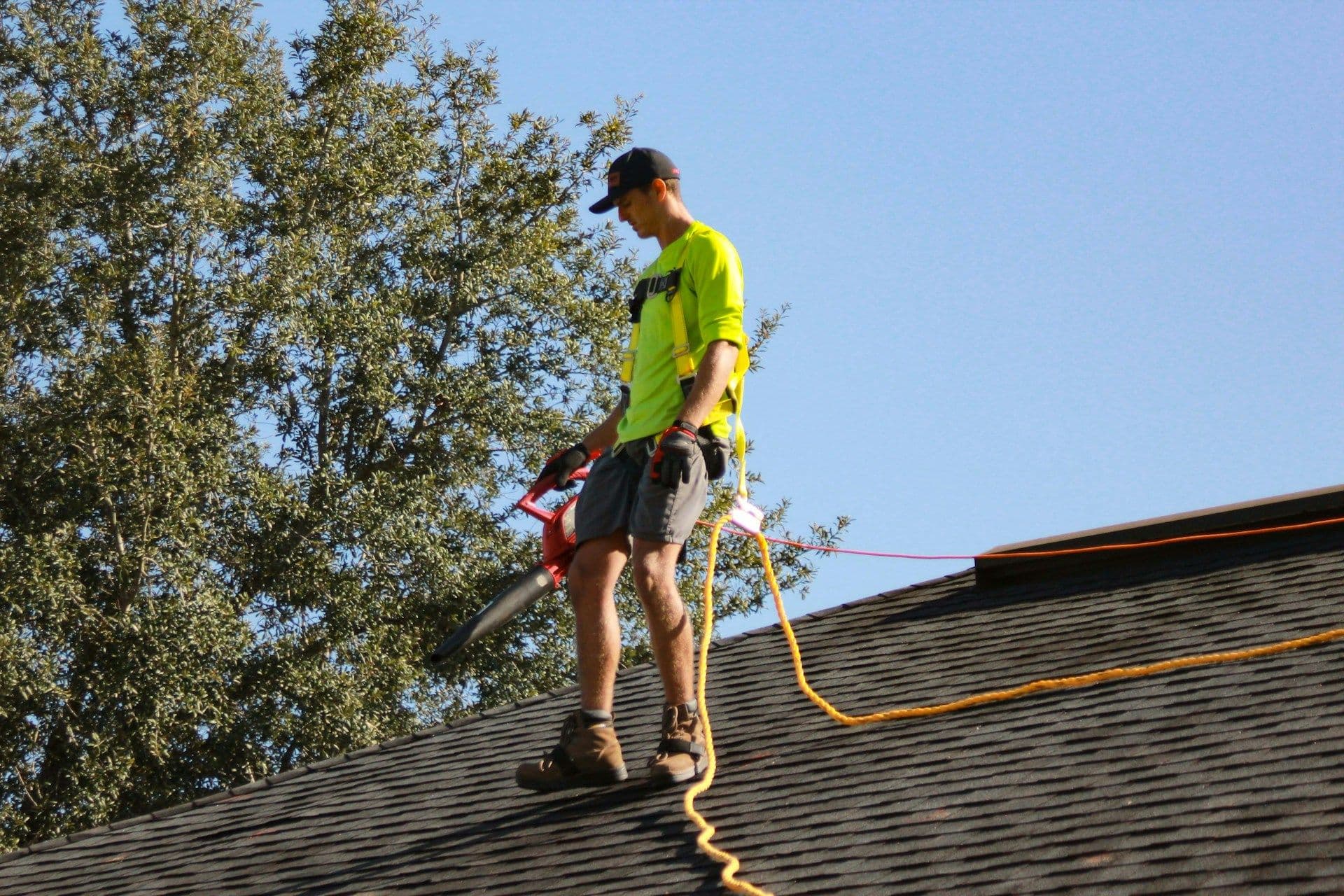
Stop Energy Leaks Before You Add Attic Insulation
Adding more attic insulation sounds like an easy win. Less heat getting into your home, lower AC bills, and a more comfortable space, right? But if your roof has hidden problems, piling on insulation can actually make things worse, not better.
When there is a small leak or weak spot in the roof, extra insulation can hide the warning signs. Water can soak into wood, mold can grow where you cannot see it, and trapped heat can break down roofing materials faster. Instead of getting ahead, you end up paying for repairs that could have been simple if caught early.
This is why a professional roof inspection in Phoenix is smart before any insulation upgrade, especially as we move from late summer into those months with bigger day and night temperature swings. We are going to walk through what inspectors look for, how desert conditions stress your roof, and how to time your roof and insulation work so they actually help each other and give you long-term comfort and savings.
How Phoenix Heat and Monsoons Stress Your Roof
Phoenix roofs take a beating. During late summer, the sun is high, the UV is intense, and many days stay in the triple digits. At night, things cool down. That daily cycle of hotter and cooler makes roofing materials expand and contract over and over.
Here is what that constant stress can do:
Dry out shingles, tiles, and sealants
Open tiny gaps around vents, skylights, and flashing
Wear out flat roof coatings and seams
Loosen tiles or panels when paired with strong winds
Then we add monsoon season. Wind-driven rain, dust, and sudden heavy downpours push water into any weak spot. Debris can build up in corners and around drains. Even a small vulnerability can turn into a leak once the water finds a path.
If you add insulation before checking the roof, that new fluffy layer can hide:
Damp spots in the decking
Slow drips that only show during storms
Stains that would have warned you something was wrong
On top of this, many Phoenix homes and buildings already have attics that run very hot. When ventilation is poor, trapped heat builds under the roof surface. It can literally cook shingles and underlayment from the inside. A careful roof inspection before adding insulation helps catch these issues so you do not seal in damage and trap even more heat.
What a Desert-Ready Roof Inspection Should Include
A good roof inspection in Phoenix is more than a quick glance from the street. The roof system, the attic, and the inside of the home or building all matter.
Outside, a desert-ready inspection should check:
Shingles or tiles for cracking, curling, slipping, or missing pieces
Flashing around chimneys, vents, skylights, and walls
Parapet walls and caps on flat or low-slope roofs
Roof membranes on commercial and flat roofs, looking for splits, bubbles, or open seams
Seals around skylights, pipes, and AC penetrations
Areas where water may pond or where the surface feels soft underfoot
Inside the attic and interior, your roofer should check:
Past or active leaks: stains, dark spots, or damp areas
Mold or mildew smells or visible growth
Sagging or warped roof decking
Inadequate, uneven, or damaged existing insulation
Blocked or missing intake and exhaust vents that limit airflow
Phoenix has some special concerns because of the intense sun and wind. Sun-brittled sealants can crack even if they look fine from far away. Underlayment can dry out and split under tile roofs. High winds can shift tiles just enough to expose the layer below. On commercial flat roofs, UV can age coatings so they lose flexibility and crack. A local roofer who understands our desert climate knows where these problems like to hide.
Why Insulation Without Inspection Can Cost You More
When someone lays new insulation over a problem roof, that problem does not go away. It just gets harder to see. If there is a minor leak, moisture can soak into the insulation and decking, stay trapped, and slowly break things down.
Here is how skipping the inspection can come back to bite you:
Moisture trapped in insulation can feed mold growth out of sight
Wet wood can rot over time, turning a small repair into a big structural issue
Stains on ceilings or walls might not show until the damage is already advanced
Heat is another big issue. Many people think, “More insulation, less heat,” but if vents are blocked or the attic is overstuffed, heat can build up and stay stuck near the roof surface. That can mean:
Higher AC bills because your system has to fight hotter attic air
Shorter roof life because shingles and underlayment stay hotter longer
More stress on AC ducts that run through that hot space
Common homeowner mistakes we see include:
DIY insulation jobs on top of existing leaks or stains
Ignoring hairline cracks in ceilings or minor bubbling in paint
Skipping a roof inspection in Phoenix to save a little money, only to pay more later for repairs or early roof replacement
A careful inspection lets you fix the small things before they grow. It also helps you and your insulation contractor avoid choices that trap heat or block needed airflow.
Timing Your Roof and Insulation Upgrades in Phoenix
Late August is a great time to think about timing. Monsoon storms may still pop up, but the peak is starting to wind down. This is when many property owners start planning home projects around school schedules and upcoming holidays.
For roof and insulation work, it usually makes sense to:
Schedule a roof inspection as monsoon season eases
Address any storm damage, loose tiles, or worn sealants first
Plan attic insulation upgrades after the roof is sound and dry
How you prioritize the work depends on what your roofer finds:
If the roof is in good shape, maybe you only need a tune-up and then you can move ahead with insulation
If there are localized leaks or problem areas, a partial repair before insulation can protect the rest of the system
If the roof is near the end of its life, it may be smarter to replace it before investing in new insulation
For both homes and commercial buildings, coordination matters. When your roofer and insulation contractor are on the same page, they can:
Keep vents open and working as designed
Avoid covering access points that may be needed later
Limit extra trips and foot traffic on the roof surface
That teamwork helps protect your roof, your insulation, and your comfort.
How AZ Roofing LLC Protects Your Home Before You Insulate
At AZ Roofing LLC, we are a family-owned, licensed, and insured roofing contractor serving homeowners and businesses across the Greater Phoenix area. We work on both residential and commercial roofs, so we see every kind of desert roof problem, from tile slip on windy days to UV damage on flat roof coatings.
When someone is planning new attic insulation, our typical pre-insulation service starts with a thorough roof inspection in Phoenix. We check the exterior, the attic, and interior areas that may show signs of leaks. We document what we see with clear notes and photos so you understand the condition of your roof, not just our opinion.
From there, we offer practical guidance on whether you need minor repairs, a roof tune-up, or a larger replacement before adding insulation. We also talk about timing, so your roofer and insulation pro can work in a smart order that supports long-term comfort, safety, and energy savings. By taking this extra step before you add insulation, you help your roof last longer and keep your home or building cooler and more comfortable in our desert heat.
Get Started With Your Project Today
Protect your home before minor issues turn into expensive repairs with a professional roof inspection in Phoenix. At AZ Roofing LLC, we carefully evaluate every part of your roof so you can make informed decisions with clear, straightforward recommendations. If you are ready to schedule an appointment or have questions about your roof, simply contact us and we will respond promptly.