Early-Morning Roof Inspection Phoenix Owners Can Do Safely
A quick early-morning roof inspection in Phoenix can save a lot of stress later. When the sun hits hard day after day, your roof takes the first hit.
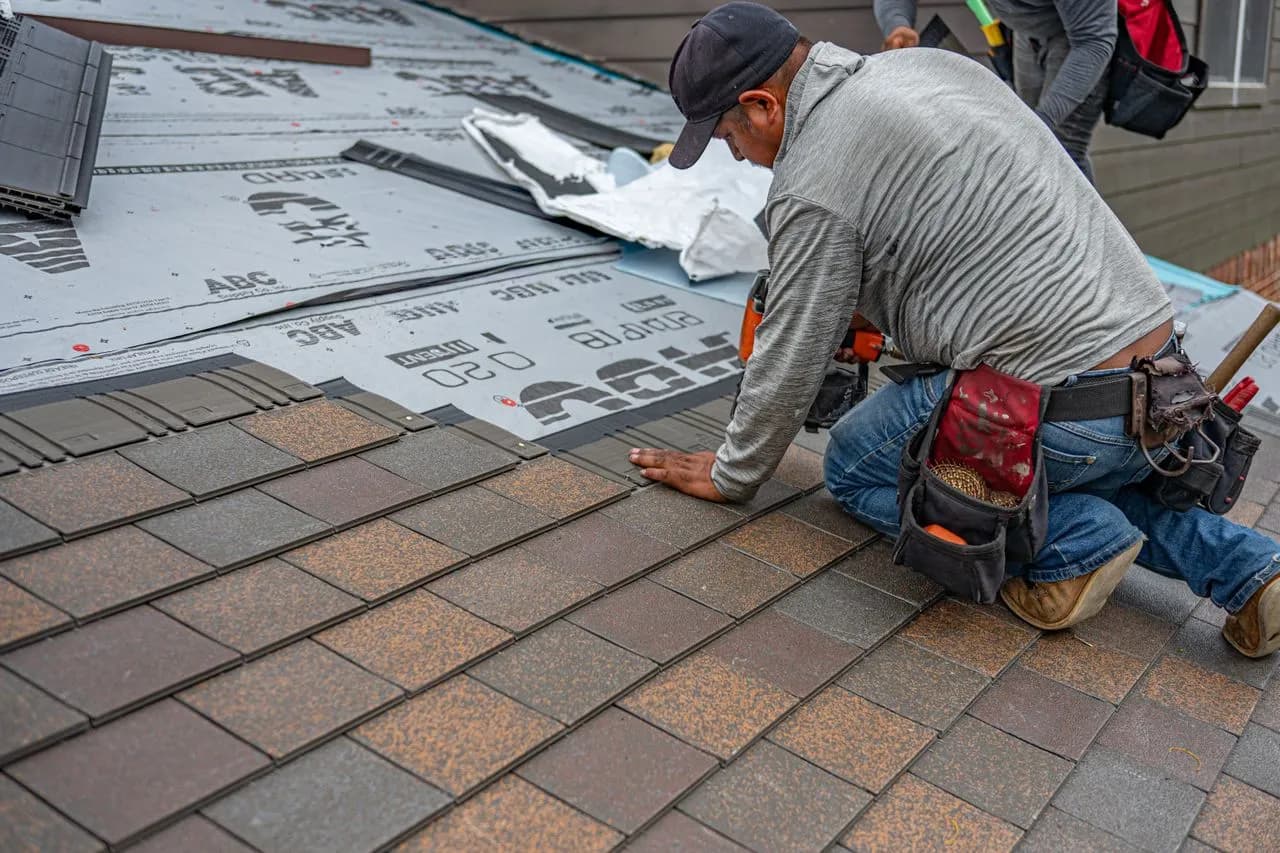
Start Your Day Protecting Your Phoenix Roof
A quick early-morning roof inspection in Phoenix can save a lot of stress later. When the sun hits hard day after day, your roof takes the first hit. A few minutes of careful checking from safe spots can help you catch problems before they turn into leaks over your living room.
This is especially helpful as long summer days start to shorten and routines shift with school, sports, and holidays. Phoenix roofs just went through months of intense sun, monsoon winds, and dust. Now is the perfect time to pause, look up, and see how your roof is holding up.
We want this to feel simple, not scary. You do not need special tools, and you should never climb steep areas or walk anywhere you feel unsure. We will walk through a safe morning routine you can do from the ground, what warning signs to watch for, and the moments when it is smart to stop the DIY and let a licensed roofing contractor step in for a closer look.
Why Early-Morning Roof Checks Matter in Phoenix
Phoenix summers are hard on roofs. Long hours of strong sun, high UV, monsoon storms, and dust all work on your roofing materials day after day. Over time, that can:
Dry out sealants around vents and skylights
Crack or curl shingles and damage roof coatings
Loosen flashing where different roof parts meet
Wear down surfaces so they shed granules or chips
Early morning is the best time for a basic roof inspection in Phoenix. The light is softer, so you can see surfaces clearly without harsh glare. Temperatures are lower too, which helps you stay comfortable and focused while you walk the yard and look up.
Late September is a smart checkpoint. By then, monsoon activity is winding down, and your roof has already faced strong winds, heavy downpours, and plenty of dust. A calm morning review helps you:
Spot storm damage that might not be obvious from inside
Prepare for cooler nights and changing humidity
Plan repairs or maintenance before the next round of harsh weather
Think of it like a health check for your home. Small roofing issues rarely fix themselves. They usually grow, and they often show quiet signs outside long before you see water inside.
Stay Grounded: Safe Ways to Inspect From Below
Safety comes first, always. No basic home check is worth a twisted ankle or worse. If your roof is steep, high, or feels risky, stay off it. If surfaces are wet or dusty, stay on the ground. When in doubt, leave the climbing to trained pros with proper safety gear.
You can see more from the ground than you might think. For a safe morning scan, try this simple routine:
Walk the full perimeter of your home at a slow pace
Stand back far enough to see most of the roof surface
Use binoculars or your phone camera zoom if you have them
Look at one section at a time instead of the whole roof at once
From there, check for shingles or tiles that look:
Curled, cracked, or broken
Darker or lighter than the rest of the roof
Out of place, slid down, or clearly missing
Next, look at the areas around your home. Gutters, downspouts, and the ground can tell their own story. Watch for:
Piles of shingle granules or fine sand-like material
Broken tile pieces near walls, patios, or walkways
Splash marks or eroded soil where water is hitting hard
These signs do not always mean you have a leak already, but they do tell you the roof is under stress and might need a closer professional look.
Simple Morning Checks Every Phoenix Owner Can Do
Once you feel safe and settled, you can do a more focused walk-through. Think of it as a calm routine, not a rushed job. Start with the visible exterior surfaces and edges.
From the ground or from a safe, low step, check for:
Shingles or tiles that are lifted, warped, or missing
Cracked, bent, or rusted metal around chimneys and vents
Gaps where the roof meets walls, fascia, or eaves
Any area where surfaces look uneven or sunken
Edges are important because water likes to sneak in where two surfaces meet. Valleys, corners, and areas around skylights deserve extra attention.
If you can safely check your attic or top-floor ceilings, early morning is a good time for that too. The light outside is bright enough to show daylight leaks, and the air inside is usually calmer. Check for:
Brown or yellow water stains on ceilings or walls
Soft spots, bubbling paint, or sagging drywall
Musty or moldy smells, even if you do not see spots yet
Tiny beams of daylight showing through gaps in the attic
After a big wind, dust event, or heavy rain, a next-morning review is smart. You might notice:
New debris or branches on the roof surface
Fresh damage along edges or at the tops of walls
Shingles or tiles on the ground that were not there before
Catching these right after a storm keeps small problems from getting a head start.
When DIY Is Not Enough: Signs You Need a Roofer
A basic, safe roof inspection in Phoenix is just a first step. There are times when you should stop looking and call in a licensed roofer as soon as you can. Some red flags are too big for simple watching and waiting.
Urgent warning signs include:
Active dripping or wet spots inside your home
Multiple missing shingles or tiles in one area
Roof areas that look soft, sagging, or uneven
Ceiling stains that come back after you clean or paint
Other signs are more subtle, but they still point to problems that need expert eyes. During your checks, take note if you see:
Granules washing out of gutters or piling on the ground again and again
Widespread cracking, not just one or two tiles or shingles
Loose, torn, or rusted flashing around chimneys, vents, and skylights
Professional inspections add a deeper layer of protection. Trained roofers bring safety equipment, experience with local Phoenix conditions, and the ability to spot issues that most people miss. They can check parts of the roof you should not walk on and explain what is going on in plain language so you can plan repairs or maintenance that help your roof last.
Turn Your Morning Check Into a Roof Protection Plan
A single morning check helps, but a simple routine over time is even better. Think of your roof like your car. You would not skip oil changes and hope for the best. A quick look at the right times keeps your home protected.
You can build a basic schedule around natural points in the year:
After monsoon season winds and storms settle down
Before the holiday rush and winter visitors
After any major storm, strong wind, or heavy rain
Each time you walk the property, take a few photos and short notes. Mark where you saw a stain, crack, or missing tile. Over time, this record helps you notice patterns like a stain that keeps returning in the same spot or granules that always show up near one downspout.
When your notes or photos raise questions, that is when a local roofing contractor such as AZ Roofing LLC can step in. We bring the licensed, insured support that matches your home checks, so you are not guessing about what your roof really needs. A small concern you spot on a quiet September morning can turn into a simple repair, instead of a surprise emergency, when you treat your early-morning routine as the first line of defense for your Phoenix home.
Get Started With Your Project Today
If you are unsure about the condition of your roof, schedule a professional roof inspection in Phoenix with AZ Roofing LLC so we can pinpoint issues before they become costly repairs. Our team will provide clear recommendations tailored to your home and budget so you can make confident decisions. To discuss your needs or request an appointment, simply contact us and we will follow up promptly.