Evaluating Roof Maintenance in Mesa Rental Properties
Roof maintenance in Mesa is not like roof maintenance in cooler, calmer places.
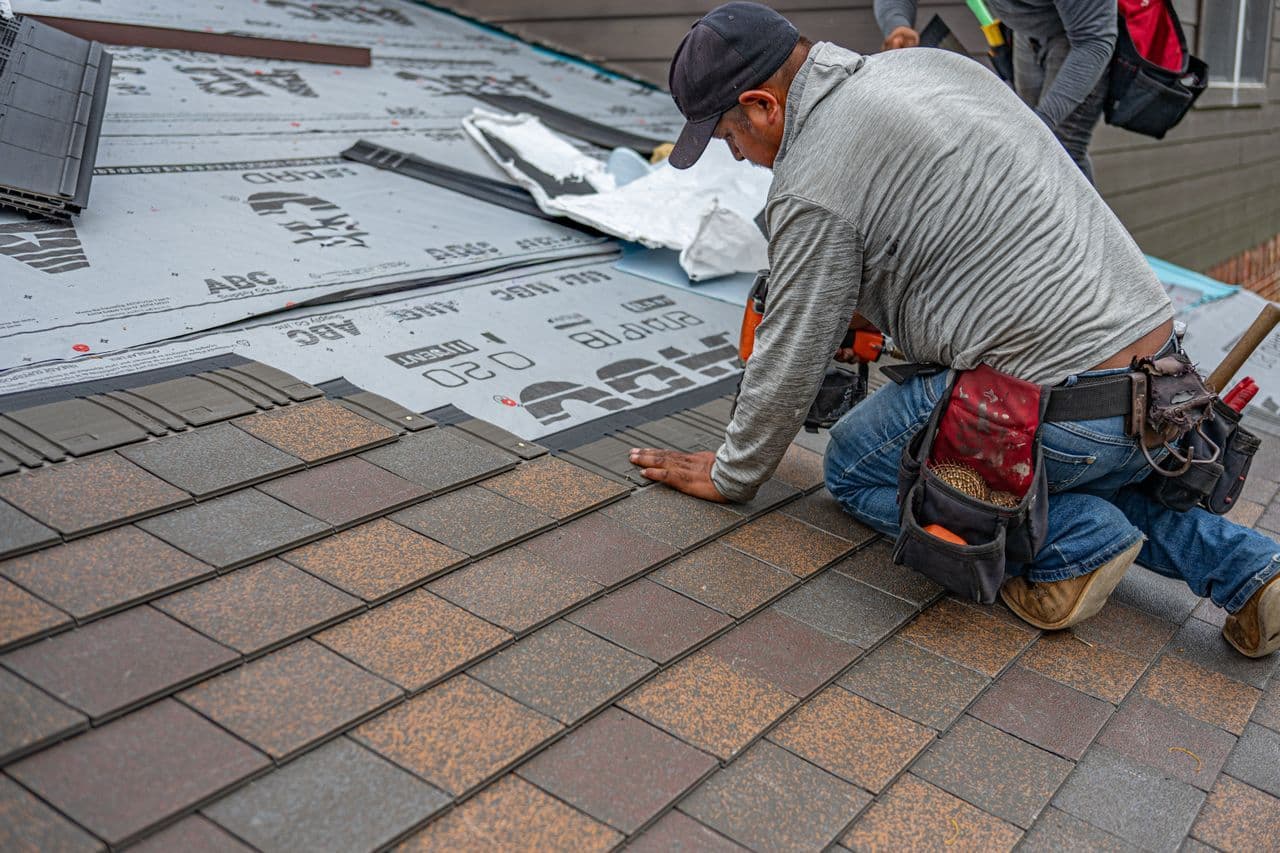
Protecting Your Mesa Rental Roof Before Monsoon Season
Roof maintenance in Mesa is not like roof maintenance in cooler, calmer places. The mix of intense sun, long stretches of dry heat, and sudden monsoon storms is hard on every type of rental roof. If you own rental property here, your roof is working overtime.
Taking care of that roof before the late summer storms roll in can protect your cash flow and your peace of mind. Good maintenance means fewer surprise leaks, fewer angry calls from tenants, and less interior damage. It also supports the long-term value of your property, which matters when it is time to refinance or sell.
In this post, we will walk through how our local climate affects different roof types, the warning signs landlords should watch for, smart maintenance strategies, and how to budget for steady roof care instead of surprise emergencies.
How Mesa’s Climate Affects Rental Roofs
Mesa roofs live under intense UV rays and long strings of 100-plus degree days. Over time, that heat and sunlight beat up roofing materials in ways many owners do not see from the ground.
Here is what often happens on common roof systems:
Shingle roofs: shingles can dry out, curl, crack, and lose their protective granules
Tile roofs: the tiles may look fine, but the underlayment beneath can grow brittle and fail
Flat or foam roofs: membranes age, coatings thin out, and small cracks or blisters form in the surface
Sealants around AC units, vents, and skylights are also under constant stress. As they dry and pull away, tiny gaps open up. During dry weather, those gaps might not show, but they wait for the first big storm.
Then monsoon season hits, with wind-driven rain, dust, and flying debris. That is when small weaknesses turn into real problems:
Tiles can lift or shift, letting water reach the underlayment
Shingles can loosen or blow off, exposing bare roof deck
Scuppers and gutters can clog with leaves and dirt, causing water to pond
Flashing around AC stands, pipes, and walls can pull back, creating easy entry points for water
Each roof type on Mesa rentals has its common failure points. Shingle roofs often show damage fastest on sun-facing slopes. Tile roofs hide problems in the underlayment until a leak appears inside. Flat roofs often show trouble through ponding water or cracks in the coating. Knowing which type you have helps you know where trouble is most likely to start.
Key Warning Signs Your Rental Roof Needs Attention
The roof rarely fails all at once. It usually sends warnings first, outside and inside the property.
On the exterior, watch for:
Missing, cracked, or curling shingles
Slipped, loose, or broken tiles
Ponding water or soft spots on flat roofs
Cracked, peeling, or bare roof coatings
Rusted, bent, or loose metal flashings at walls, chimneys, or AC units
Inside the home or building, tenants may notice signs before you do. Pay attention when they report:
Brown or yellow water stains on ceilings or near light fixtures
Musty or damp odors that seem to come and go
Peeling paint, bubbling texture, or soft drywall
Warped baseboards or flooring near walls
Visible daylight in attic spaces or around roof penetrations
There are also more subtle, “paper trail” clues that the roof may be due for attention:
The roof is getting close to the typical age limit for its material
There have been multiple small patch jobs in different areas
Insurance premiums or deductibles have gone up after prior roof claims
Old inspection reports from sales or refinances mention roof concerns that were never fully addressed
When these signs start to stack up, it is time to have the roof checked before monsoon storms find the weak spots for you.
Smart Roof Maintenance Strategies for Mesa Landlords
A simple, repeatable maintenance plan can save Mesa landlords from a lot of stress. We suggest thinking about roof care in seasons, based on how our weather works.
A basic yearly rhythm might look like this:
Late spring or early summer: full roof inspection and minor repairs before the hottest stretch and monsoon activity
Mid-monsoon: quick check after major storms to catch new damage early
Fall: follow-up inspection to address anything left from the wet season and prep for drier months ahead
The goal is to fix small issues while they are still cheap and simple. Common maintenance tasks include:
Cleaning debris from valleys, scuppers, and gutters so water can drain
Resealing around AC units, vents, pipes, and skylights
Tightening or replacing loose fasteners
Repairing minor underlayment concerns or surface cracks before they develop into interior leaks
We do not recommend landlords climb on roofs or try to handle repairs on their own. A licensed, insured local roofer who understands rental properties can:
Safely inspect hard-to-reach areas
Document roof condition with photos and clear notes
Explain which issues are urgent and which can be monitored
Help build a long-term plan that fits your portfolio and risk tolerance
With a trusted pro, you are not guessing, you are making decisions based on clear information.
Budgeting Roof Maintenance for Rental Cash Flow
Roof work can feel random and painful when it hits all at once. A simple maintenance budget can smooth those costs and protect your rental income.
To estimate a yearly roof budget, think about:
Roof type: shingle, tile, or flat/foam
Roof size: larger footprints usually mean more material and labor
Roof age: older systems usually need more frequent attention
From there, you can spread expected maintenance across the year instead of waiting for a leak. Many owners set aside a regular amount each month into a small reserve just for roof and exterior work.
It also helps to compare proactive care to what often happens without it. Preventive inspections and tune-ups tend to cost less than:
Emergency leak calls on nights or weekends
Interior repairs to ceilings, drywall, flooring, and cabinets
Higher insurance deductibles after water damage claims
Tenant turnover if repeated leaks make the unit feel unlivable
Some landlords like to line up roof checks near lease renewals. That way, they can handle any needed repairs while the tenant is staying, update their records, and show that they take property care seriously.
Keeping clear documentation of roof maintenance is smart too. Photos and written reports can support insurance claims, help with future buyers or lenders, and show that you have taken reasonable steps to protect the asset.
Partnering with a Mesa Roofing Pro You Can Trust
Choosing the right roofing contractor for your Mesa rentals makes everything easier. Rental owners should look for:
Proper Arizona roofing license and current insurance
Experience with both residential homes and commercial-style rentals
Clear, written estimates and scopes of work
Good communication habits, especially around timing and access
An ongoing relationship with a local roofer pays off over time. When someone already knows your properties, they can:
Respond faster when tenants report roof issues
Keep consistent records of roof condition year after year
Help you plan replacements before failure, not after a major leak
Coordinate with property managers so tenants stay informed
At AZ Roofing LLC, we are a family-owned, licensed, and insured roofing company based here in the Phoenix metro area, and we work on both residential and commercial roofs. For Mesa landlords, that means we can help with thorough inspections, honest advice about repair versus replacement, and maintenance plans that focus on monsoon readiness and long-term performance across your rental portfolio.
Protect Your Mesa Home With Reliable Roof Care Today
If you are ready to prevent costly leaks and extend the life of your roof, our expert team at AZ Roofing LLC is here to help. Learn how our tailored roof maintenance in Mesa can keep your home safe through every season. Reach out today and let us inspect, maintain, or repair your roof before small issues turn into big problems. To schedule service or request a quote, simply contact us.