Hidden Roof Drainage Problems Phoenix Inspections Should Catch
A roof can look perfect from the street and still be one bad storm away from trouble.
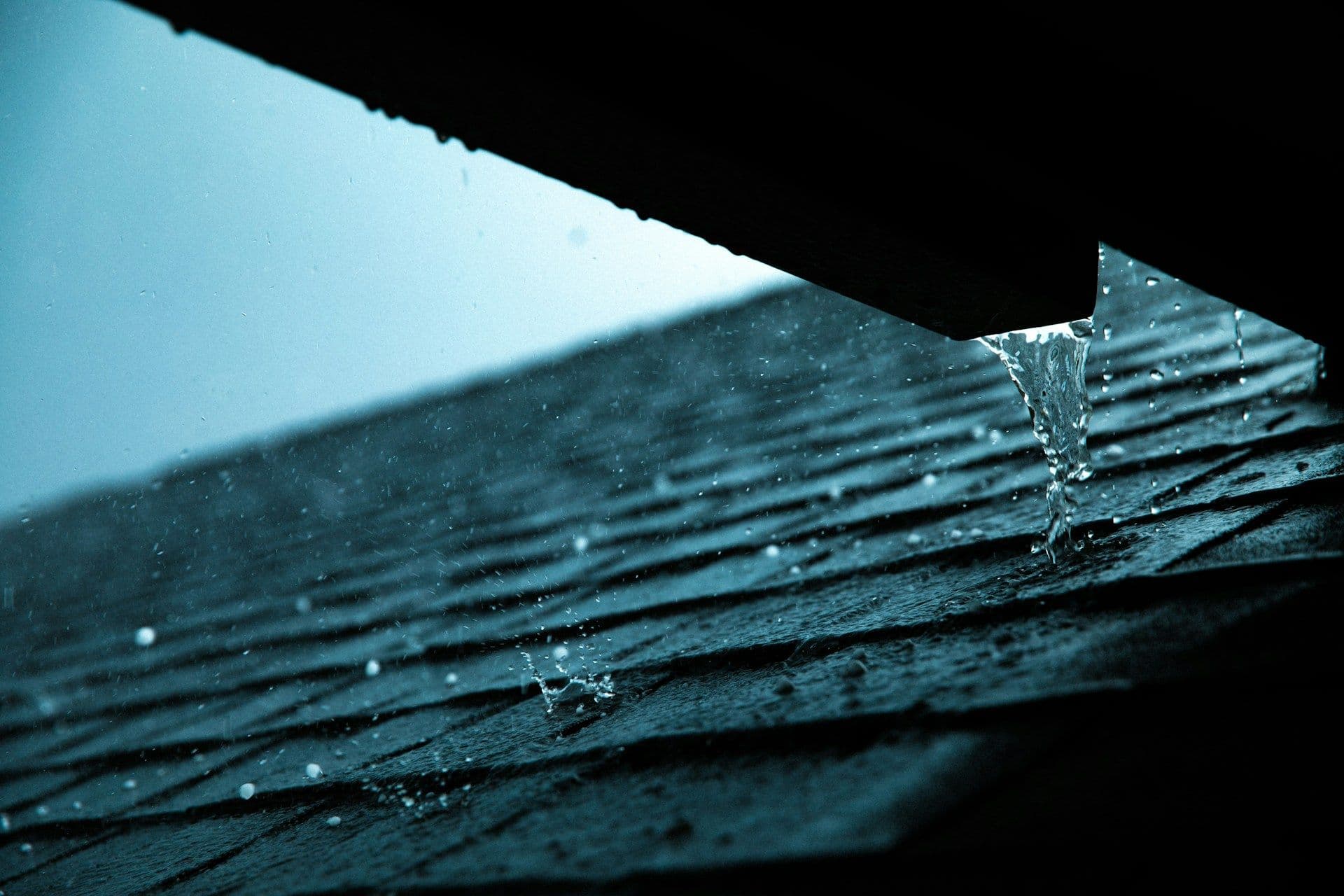
Stop Letting Hidden Drainage Issues Destroy Your Roof
A roof can look perfect from the street and still be one bad storm away from trouble. Many Phoenix homeowners only spot a problem when ceiling stains show up after a late-summer monsoon. By then, water has already snuck past the roof surface and started to damage insulation, drywall, and framing.
Most of those problems start small. The real enemy is often hidden drainage issues, not missing tiles or big holes. When water cannot move off the roof the way it should, it looks for a new path, and that path is usually into your home or building.
A careful roof inspection in Phoenix should catch these drainage problems before storm season hits full force. Local roofs deal with intense sun, dust, and fast, heavy rains that push every part of the drainage system to its limit. As a family-owned roofing contractor in the Valley, we see how these conditions quietly break down roofs long before a leak appears inside.
So why are Phoenix roofs so prone to silent drainage failures, and what should an inspection actually look for?
Why Phoenix Roofs Are Prone to Drainage Trouble
Roof drainage is a big deal anywhere, but our desert climate adds extra stress. Even a roof that was installed well can start to struggle if drainage is ignored for a few years.
Here is what makes Phoenix roofs especially vulnerable:
Intense UV exposure dries out sealants
Dust and debris clog water paths
Fast monsoon rains overwhelm small blockages
Different roof types hide problems in different ways
The sun cooks roof surfaces day after day. Sealants around drains, scuppers, and valleys can dry out, turn brittle, and crack. Flashings that once hugged the roof tight can pull away just enough to let water sneak in during a hard storm.
Dust is another quiet problem. Fine desert dust settles into every low spot. When it mixes with leaves, seeds, and palm fronds, it forms a sludge that clogs gutters, downspouts, and flat-roof drains. After a haboob, that buildup gets even worse.
Late-summer monsoon storms often drop a lot of water in a short time. If a drain or valley is even partly blocked, water can:
Pond on flat or low-slope sections
Back up under tiles or shingles
Overflow gutters and soak fascia and walls
Different roof types in Phoenix handle water differently too. Tile roofs can hide broken tiles or buildup in valleys. Shingle roofs can lose granules in heavy flow areas and wear out early. Flat foam or built-up roofs can hold shallow ponds of water that slowly break down the surface.
That is why timing matters. A roof inspection in Phoenix done before or during monsoon season gives you a chance to fix weak spots before the next big cell hits your neighborhood.
Silent Warning Signs Your Roof Is Not Draining Right
Drainage trouble rarely starts with water pouring through the ceiling. The early signs are subtle, and easy to miss if you are not looking for them.
Inside and outside your home or building, warning signs can include:
Light ceiling discoloration or small brown spots
Blistered or peeling paint near the ceiling line
Hairline cracks in stucco below roof edges
Rust streaks on fascia or under metal edges
Musty or moldy smells in attic spaces
On the roof itself, a trained eye can often spot problems long before they reach the living space. Some clues are:
Standing water on flat sections 48 hours after rain
Algae or dark streaks where water tends to sit
Heavy granule loss on shingles in drainage paths
Shifted or out-of-place tiles in valleys
Gutters and downspouts also tell a story. Drainage issues may show up as:
Sagging gutters that hold water
Seams that have pulled apart
Water spilling over the front of gutters
Wash-out lines in the soil or rock under the eaves
Any one of these on its own might seem small. Together, they tell an inspector that water is not moving like it should. A thorough roof inspection in Phoenix uses these subtle signs to build a clear plan for repairs and preventive care.
What a Proper Phoenix Roof Inspection Should Include
Not all inspections are the same. For our desert roofs, drainage needs special attention, not just a quick glance from the ladder.
A proper inspection should include a full drainage evaluation:
Checking slope on flat and low-slope roofs
Inspecting all valleys, scuppers, and internal drains
Confirming gutters and downspouts are clear and pitched correctly
Tracing where water is supposed to go and where it is actually going
Next, each roof component that affects water flow needs a closer look. That means checking:
Sealants around drains, vents, and other penetrations
Underlayment condition near valleys and roof edges
Flashing around chimneys, skylights, and parapet walls
Secure attachment of gutters, downspouts, and straps
When it is safe and appropriate, a roofer may gently run water in small areas to see how it moves. Photos of any problem spots and clear notes on what needs attention help turn what they see on the roof into a plan you can understand.
Working with a licensed and insured roofing contractor matters here. Local pros understand Phoenix building practices, common HOA expectations, and what many insurance companies look for when there is storm damage. Good inspections and proper drainage repairs can mean:
Fewer emergency leaks during monsoon bursts
Longer roof life overall
Better performance when the next big storm rolls through
Preventive Maintenance to Protect Your Roof Year-Round
Once drainage problems are fixed, simple ongoing care keeps them from coming back. Think of it as regular checkups for your roof.
A seasonal cleaning routine can make a huge difference:
Clear gutters and downspouts in late spring before storms ramp up
Remove leaves, palm fronds, and debris from roof drains and scuppers
Check again after active storm periods to clear new buildup
Beyond cleaning, small proactive repairs and upgrades help water move where it is supposed to go. That might include:
Re-sealing flashings and penetrations as they age
Adding or resizing downspouts where water backs up
Installing splash blocks or extensions so runoff does not pool at the foundation
Between professional visits, owners can do simple, safe checks from the ground. After a storm, you can:
Look for overflowing spots on gutters or staining on walls
Notice any new ceiling spots or wall cracks inside
Watch for tiles that look out of line or shifted in valleys
Keep notes or photos of anything new so you can share them during your next roof inspection in Phoenix. Documented maintenance like this not only helps keep your roof in better shape, it can also support warranties and insurance claims if a storm does cause damage later.
Over time, building an ongoing relationship with a trusted local roofer who knows your specific roof and drainage layout makes each visit more effective. They can track changes, catch patterns early, and help your roof stand up better to our desert sun and monsoon rains.
Get Started With Your Project Today
If you have any concerns about your roof, now is the time to schedule a professional roof inspection in Phoenix. At AZ Roofing LLC, we carefully evaluate every component of your roofing system so you can make informed decisions and avoid costly surprises. Reach out to our team with your questions or to book an appointment through our contact page. Let us help you protect your home with timely, reliable service.