Inside Roof Maintenance in Mesa: What Property Managers Require
Roof maintenance in Mesa is not a nice-to-have for property managers; it is a must. Roofs protect the building, the people inside, and the owner’s investment.
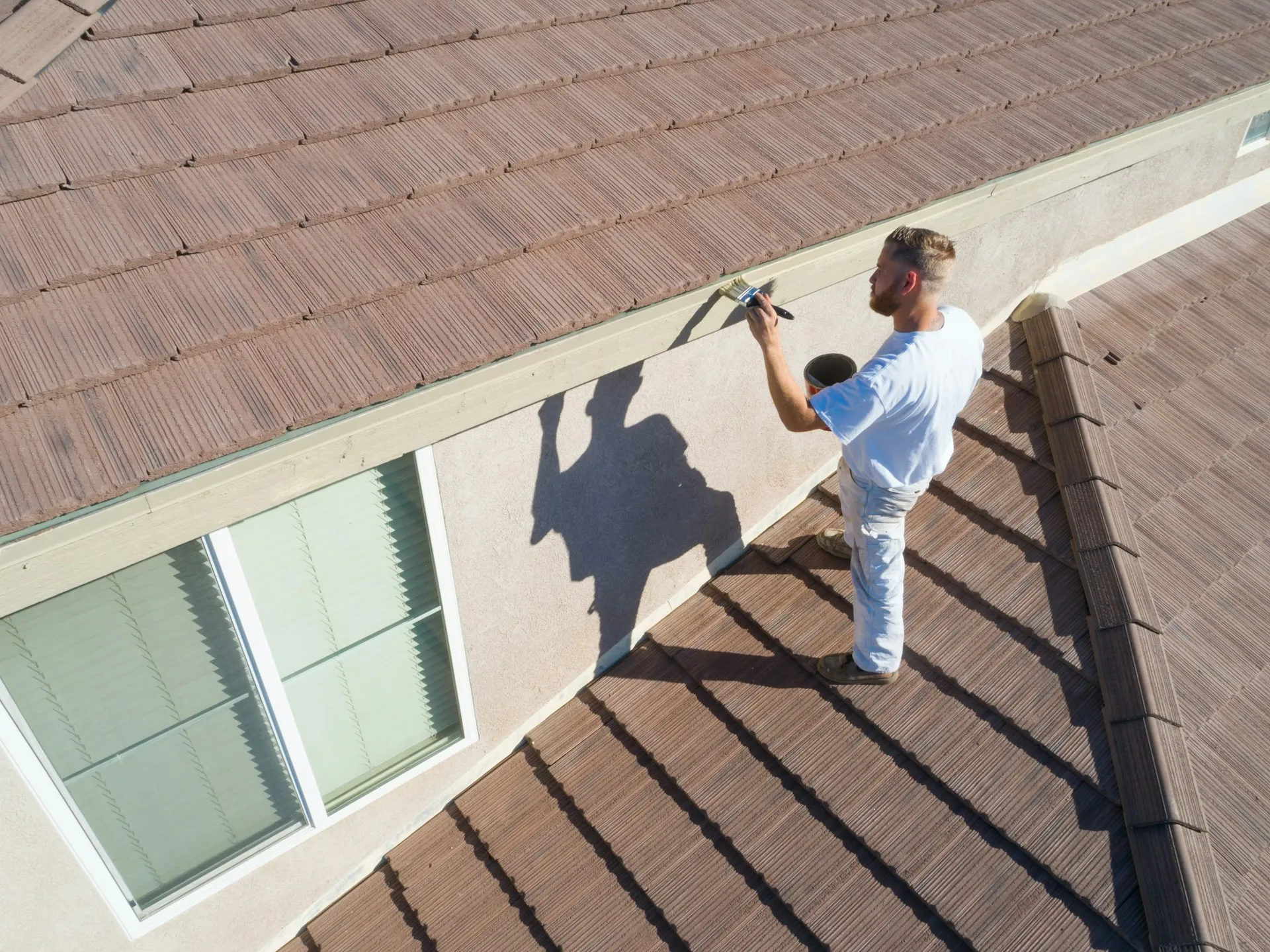
Why Mesa Property Managers Can’t Ignore Roof Care
Roof maintenance in Mesa is not a nice-to-have for property managers; it is a must. Roofs protect the building, the people inside, and the owner’s investment. When the roof fails, it turns into leaks, complaints, and surprise bills that hit the budget at the worst time.
For Mesa property managers, roof care ties directly to asset protection, tenant safety, and insurance requirements. A sound roof keeps units livable, protects equipment and interiors, and shows owners that the property is being managed with care. Insurance companies also expect proof that you are keeping up with basic maintenance, especially in a storm-prone area.
Our desert climate adds extra pressure. Intense sun, monsoon storms, occasional hail, and dust can wear out roofing systems faster than many people expect. In this article, we will walk through what smart property managers should expect from a roof maintenance program in Mesa and how working with a licensed, local roofing contractor helps keep buildings compliant and budgets under control.
Mesa Climate Realities Every Roof Must Withstand
Mesa roofs take a beating all year. The heat and UV rays are strong, day after day. Over time, that constant exposure breaks down roofing materials, sealants, and underlayment. Shingles can get brittle, tiles can crack, and membranes on flat roofs can dry out and blister faster than in cooler areas.
Then there is monsoon season, usually in the summer. That is when roofs have to handle:
Wind-driven rain that can push water under loose flashings
Flying debris that can damage tiles, shingles, and membranes
Dust and leaves that collect in gutters and drains
Ponding water on flat commercial roofs if drainage is poor
When drains and scuppers clog, water sits where it should not. That standing water adds weight and finds weak points. Even small issues can turn into leaks in units, hallways, and common areas.
Late fall is a smart time for Mesa property managers to think about roof maintenance. Days are shorter, budgets for the coming year are taking shape, and early-season storms can show where the weak spots are. End-of-year inspections help you:
Discover problems before they turn into first-quarter emergencies
Fine-tune maintenance and repair plans for the next year
Back up your budget requests with clear, documented needs
Core Roof Maintenance Tasks Property Managers Expect
A good roof maintenance plan is more than a quick walk around with a flashlight. Property managers need a clear, repeatable process that covers the key areas of risk on every building.
On a typical inspection, a professional roofer should check:
Shingles, tiles, or membranes for cracks, blisters, or missing pieces
Flashings at walls, vents, and along edges for gaps and rust
Parapet walls, roof edges, and coping for loose or broken sections
Penetrations like plumbing vents, satellite mounts, and HVAC curbs
Skylights and roof hatches for cracked lenses, loose seals, or open gaps
Cleaning is just as important as inspection. Debris left on the roof traps water and hides damage. Routine roof cleaning usually includes:
Removing leaves, branches, and trash from the roof surface
Clearing gutters, scuppers, and downspouts so water can flow
Removing standing water where possible and noting ponding areas
Checking for algae or other biological growth that can signal moisture problems
Property managers also expect minor repairs to be handled before they grow. During maintenance visits, a qualified roofer will often:
Reseal exposed fasteners and open seams
Re-caulk joints and penetrations that show cracking
Patch small membrane punctures and surface blisters
Swap out broken or slipped tiles and damaged shingles
These small fixes are a big part of why routine roof maintenance in Mesa saves money. They keep a simple repair from turning into a full section replacement.
Compliance, Documentation, and Risk Management
For property managers, what happens on the roof is only half the story. The other half is what ends up in the file cabinet or on the shared drive. Documentation is where maintenance turns into proof of due diligence.
Most property teams need:
Dated inspection reports with clear notes
Annotated photos that show problem areas and completed repairs
Repair logs that track what was done, where, and when
Recommendations grouped by urgency, such as immediate, short-term, or long-term
This paperwork helps with insurance compliance and storm claims. When a major storm hits, it is much easier to work with an insurer if you can show regular maintenance, before-and-after photos, and clear records of repairs.
Good documentation also helps if there are tenant complaints or liability questions. When ceiling stains or leaks show up, you want to be able to point to recent roof inspections, findings, and actions taken.
Property managers also benefit when roof care lines up with other building systems. That includes:
Keeping roof access controlled so only approved vendors are up there
Making sure HVAC and solar contractors follow roof-safe practices
Confirming that new equipment, wiring, or mounts do not damage the roofing system
Keeping all roof-related records easy to find for owners, lenders, and auditors
Building a Long-Term Maintenance Plan with a Local Pro
A one-time roof check helps, but property managers really need a long-term plan. In Mesa, a common rhythm is:
Biannual inspections, often in spring and late fall
Extra post-monsoon checks to catch storm damage and ponding issues
Spot inspections after major wind or hail events
The plan should match both the roof type and the property profile. A tile roof on a homeowners association community will have different needs than a flat commercial roof on an office or retail center. A reliable local roofing contractor can:
Adjust inspection checklists based on roof material and age
Flag areas that are nearing the end of their useful life
Help support capital planning with rough life expectancy ranges and repair priorities
Coordinate visits around tenant schedules and busy holiday or leasing periods
Communication matters just as much as technical skill. Property managers are juggling a lot, and they need clear, simple updates rather than surprises. Strong partners provide:
Straightforward proposals without confusing jargon
Transparent repair priorities so you know what cannot wait
Consistent reporting formats across your portfolio
Proactive reminders for seasonal maintenance so you do not have to chase it
Turning Your Mesa Roof From Liability to Asset
When roof maintenance in Mesa is handled on a schedule, with clear standards and solid documentation, the roof stops being a constant worry. It becomes another building system that is under control. This reduces emergency calls, stretches the life of the roof, protects owner budgets, and helps keep tenants comfortable through storm season and beyond.
A structured roof program also gives property managers peace of mind during busy times like the holiday season, when no one wants unexpected leaks or last-minute repairs. By working with a licensed and insured roofing contractor familiar with the Phoenix metro area, you can benchmark the current condition of each roof, plan ahead, and focus your attention where it is needed most.
Get Started With Your Project Today
If you are ready to protect your home and avoid costly repairs, trust AZ Roofing LLC for reliable roof maintenance in Mesa. We will assess your roof, explain what it needs, and provide straightforward recommendations that fit your budget. Reach out today through our contact page to schedule your inspection and keep your roof performing at its best.