Managing Roof Maintenance in Mesa Homes with Flat and Pitched Sections
Hybrid roofs are common in Mesa. Many homes have a flat section over an addition and a pitched section over the original house.
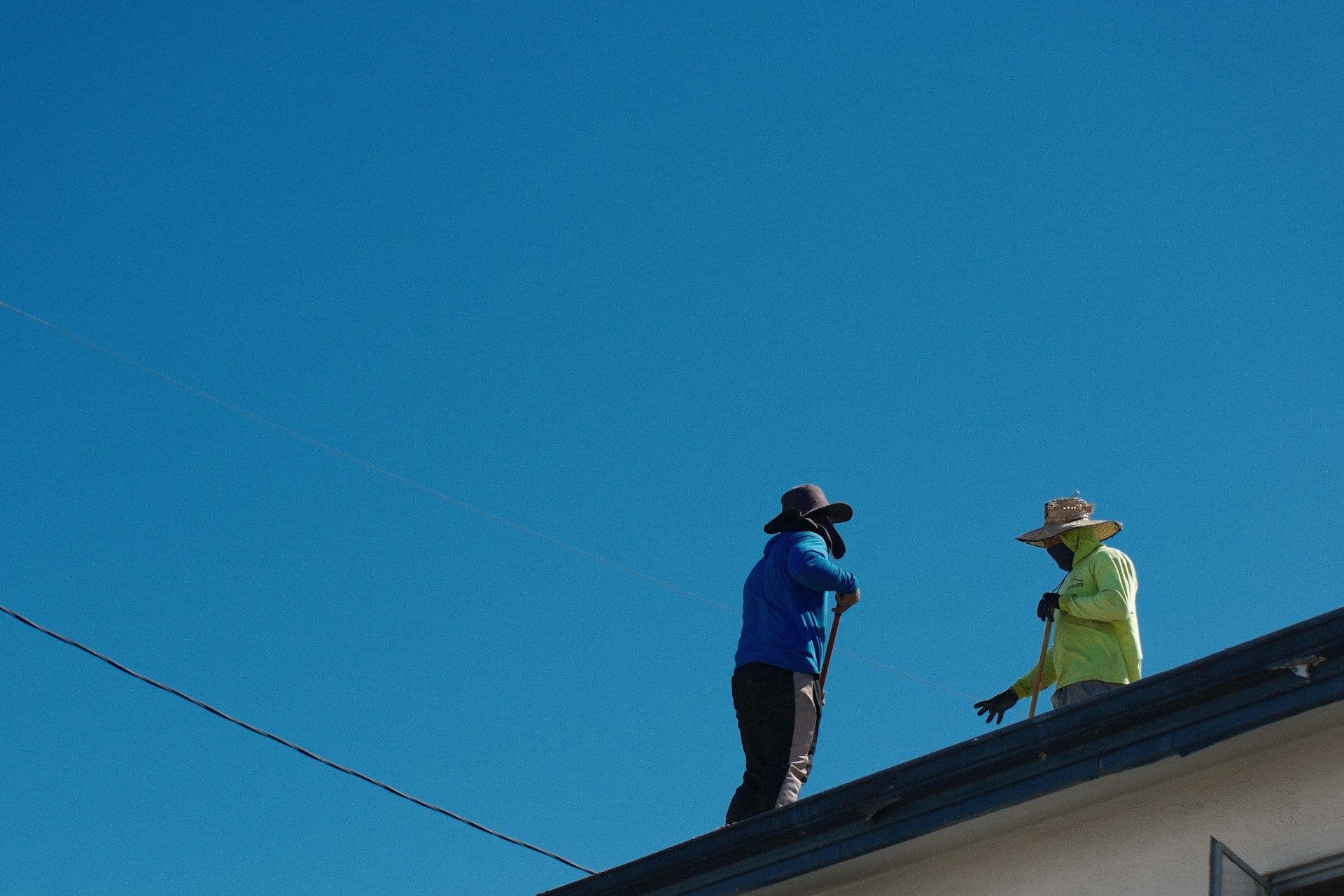
Protect Your Mesa Home with Smart Roof Maintenance
Hybrid roofs are common in Mesa. Many homes have a flat section over an addition and a pitched section over the original house. That mix looks great and works well, but it also gives water and heat more places to attack. Each part of the roof ages in a different way, so both need regular care.
Summer monsoons, strong sun, and big temperature swings across the Phoenix metro area can cause roofing materials to wear out faster than many people expect. Ignoring small problems on either the flat or pitched section can lead to leaks, damaged ceilings, and even structural issues. Here, we will walk through how the weather affects both roof types, what to watch for, and smart seasonal habits that help keep your roof in shape.
How Mesa Weather Impacts Flat and Pitched Roofs
Mesa roofs deal with sun, heat, wind, and sudden rain. Flat and pitched sections both feel that stress, just in different ways.
On flat roofs, the sun beats down all day. Over time, that can cause:
Roof membranes drying out
Cracks and blisters in the surface
Coatings fading or wearing thin
On pitched roofs with asphalt shingles, intense UV rays and heat can cause:
Shingles to curl at the edges
Granules to wear off and collect in gutters
Color to fade and surfaces to become brittle
Monsoon season brings a different set of problems. Heavy downpours and wind-driven rain push water into weak spots, such as:
Seams and transitions on flat roofs
Loose or bent flashing around vents and walls
Lifted or missing shingles and tiles on pitched areas
Thermal shock can also be a real issue. When a scorching hot roof is hit by sudden rain, the quick change in temperature can stress roofing materials. Small cracks can grow, and existing weak points can open up even more. Regular inspections help spot these issues before they turn into larger leaks.
Key Maintenance Needs for Flat Roof Sections
Flat roofs do not shed water as quickly as pitched roofs, so drainage is a big deal. Standing water can shorten the life of your roof and create leak paths.
Some key areas that deserve constant attention are:
Scuppers and internal drains
Gutters and downspouts near flat sections
Low spots where water tends to sit
When drainage paths are blocked by leaves, dust, or debris, water can pond. If water is still sitting there 24 to 48 hours after a storm, that is a warning sign. Ponding can lead to:
Soft or spongy spots in the roof surface
Seams separating or lifting
Coatings blistering or peeling
From the top, common issues on flat roofs include:
Surface cracks or bubbles
Exposed seams or patches
Areas where the coating looks thin or worn
Climbing onto a flat roof in high heat is not only uncomfortable, and it can be unsafe. Hot surfaces can be damaged if walked on the wrong way, and it is easy to miss subtle problems without training. A professional roofer who knows flat roofing systems in the Valley can inspect, repair, and recoat these roofs without causing more harm. We usually suggest at least one detailed inspection before monsoon season and another after heavy storms.
Essential Care for Pitched Roofs on Mesa Homes
You do not need to climb on a pitched roof to catch early warning signs. A simple look from the ground can tell you a lot.
Watch for:
Missing, cracked, or slipped shingles or tiles
Uneven or wavy rooflines
Rusted, bent, or loose flashing around chimneys, vents, and walls
Shingle granules building up in gutters or at downspout outlets
Trees can be a hidden threat. Branches that hang over the roof can scrape shingles, drop debris, and give wind more to grab onto during a monsoon. Keeping branches trimmed back from the roof edge helps lower the risk of abrasion and uplift.
Attic conditions also play a big role in how long your pitched roof lasts. When an attic gets too hot and has poor airflow, shingles are heated from below. That can lead to:
Faster aging of roofing materials
Higher indoor temperatures and energy bills
Moisture buildup and possible mold issues
DIY work on steep, hot roofs can be dangerous. Shingles can be slippery, and surfaces can burn skin in the summer sun. A trained roofing team can safely:
Inspect roof surfaces and flashing up close
Replace broken or missing shingles or tiles
Seal or reseal problem areas around penetrations
Seasonal Roof Checklist for Mesa’s Monsoon Season
Monsoon season is a perfect time to pay closer attention to your hybrid roof. A simple seasonal routine can catch a lot of trouble early.
Before the monsoon season, in late spring to early summer, it helps to:
Clear gutters, downspouts, and scuppers of debris
Have sealants and caulking checked around vents, pipes, and skylights
Get a full inspection of both flat and pitched sections to spot weak areas
During the monsoon months, watch your home after each big storm. Warning signs inside often show up before you see anything on the roof:
New stains on ceilings or upper walls
Musty odors in certain rooms
Paint or drywall bubbling or peeling
If you notice anything new, document it with photos and make a note of when it showed up. Addressing small leaks between storms can keep them from spreading.
After monsoon season and as fall routines start, it is smart to:
Have flat areas checked for hidden water intrusion or damaged coatings
Confirm shingles, tiles, and flashing are secure and in place
Plan larger repairs or replacements for cooler months for better working conditions
Some homeowners choose recurring maintenance plans so their roofs are checked on a regular schedule. That approach spreads out the work and helps prevent sudden emergency repairs right before a storm.
Partner with a Local Roofer to Extend Roof Life
Hybrid roofs with both flat and pitched sections need more than quick fixes during leaks. Moving from crisis mode to a simple, steady plan can add years to the life of your roof and help protect the rest of your home.
Smart steps include:
Setting regular professional inspections around monsoon season
Asking for a written maintenance plan that covers both roof types
Reviewing any warranty details to stay in line with requirements
Keeping digital records of photos, reports, and all roof work
As a family-owned, licensed, and insured roofing company based in the Phoenix metro area, we understand how roofs in Mesa really behave through long summers and repeated monsoon seasons. At AZ Roofing LLC, we work with both residential and commercial roofs, and we see firsthand how regular roof maintenance in Mesa can help flat and pitched sections hold up longer and perform better for your home.
Protect Your Home With Proactive Roof Care Today
If you have been putting off roof upkeep, now is the perfect time to schedule professional roof maintenance in Mesa with AZ Roofing LLC. We carefully inspect, repair, and maintain your roof so small issues do not turn into costly leaks or structural problems. Reach out to our team with any questions or to request an appointment through our contact page. Let us help you keep your home safe, efficient, and ready for every season.