Mesa Tile Roof Maintenance for 20+ Year Homes: Underlayment and Flashing
A clay or concrete tile roof in Mesa can still look great from the street after twenty years.
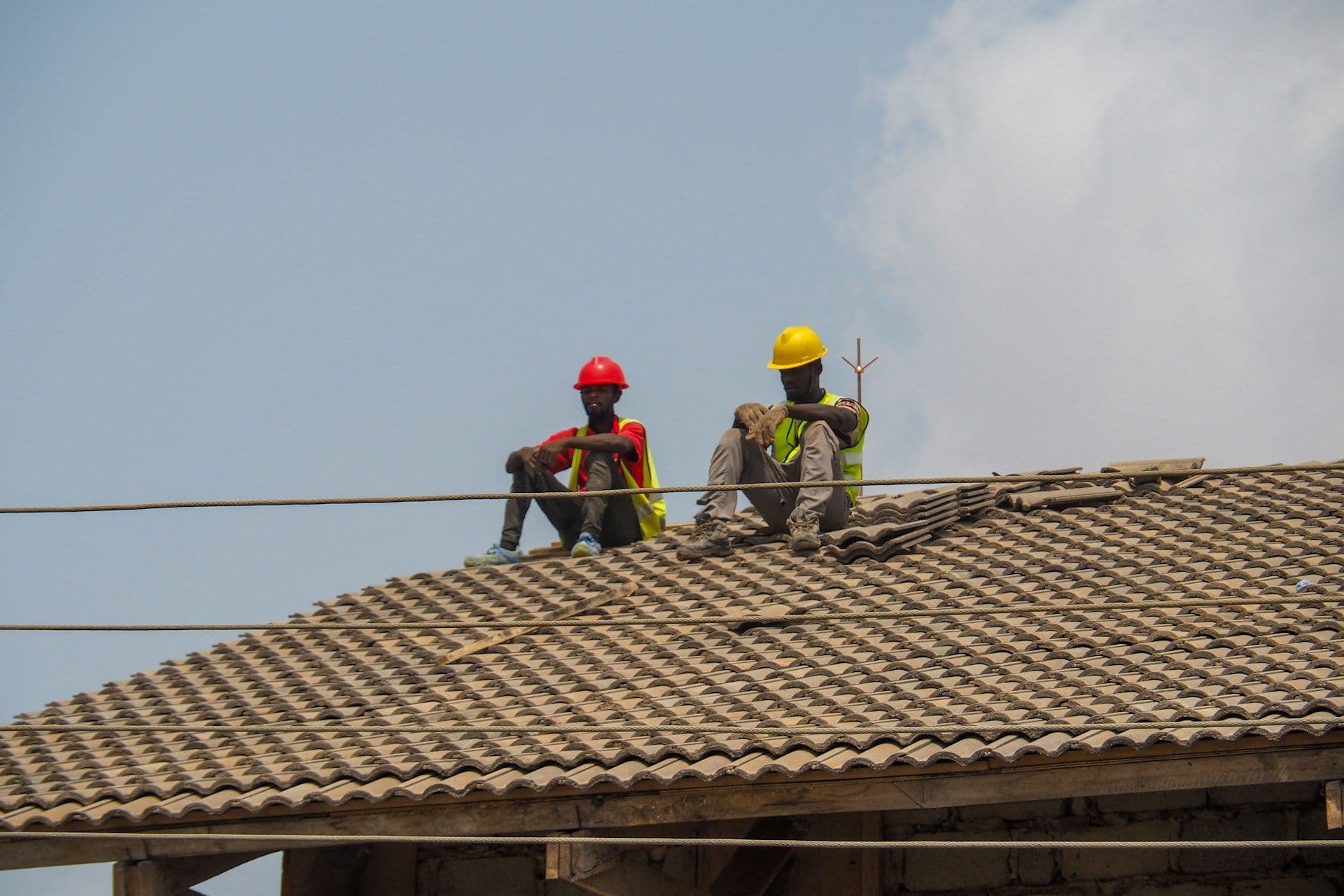
Protecting Your Mesa Tile Roof After 20+ Desert Summers
A clay or concrete tile roof in Mesa can still look great from the street after twenty years. The color is there, the tiles seem lined up, and nothing looks broken. But what you see on top is only part of the story. The real protection for your home sits underneath those tiles, where problems slowly build after many hot summers and monsoon seasons.
Once a tile roof passes the 20-year mark in the Phoenix metro area, it reaches a tipping point. The tiles often have plenty of life left, but the parts you cannot see, like the underlayment and flashing, can start to fail. For most homes, smart roof maintenance in Mesa at this age means focusing on three priorities: replacing aging underlayment, checking and fixing bird stops, and re-flashing key areas before heavy rain hits.
As a family-owned roofing contractor here in Arizona, we see what years of sun, heat, and dust storms do to tile roofs. With over 25 years of experience, we have learned where older roofs almost always need attention and how to keep them going for decades more.
Why Aging Underlayment Is Mesa's Hidden Roof Risk
Clay and concrete tiles are like armor plates for your roof. The underlayment under those tiles is the real waterproof layer that protects your decking and the inside of your home. It acts as a second barrier against water, helps shield the wood deck from sun through small gaps, and stands between your home and wind-driven rain during summer storms.
After twenty or more years in Mesa heat, older felt or early synthetic underlayment can start to:
Dry out and get brittle
Crack where it bends over ridges and valleys
Tear around nail holes
Pull back from overlaps and edges
This slow wear is easy to miss until water finally finds a path. Some warning signs that your underlayment may be failing include:
Fresh ceiling stains or bubbling paint after monsoon storms
Musty or damp smells in the attic
Tiles that look slipped or out of place
Dirt and broken tile chips washing out in valleys or at the eaves
Waiting until you see clear leaks can lead to bigger repairs, like damaged decking, ruined insulation, and interior drywall work. Proactive roof maintenance in Mesa usually costs less than cleaning up after water has soaked into your home.
Because underlayment is hidden, guessing from the ground does not work. A proper check means lifting tiles in key spots, such as valleys, eaves, and around penetrations, then looking directly at the underlayment. This is how we evaluate real condition instead of assuming everything is fine or bad based only on age.
Extending Tile Life with Strategic Underlayment Replacement
The good news is that many 20- to 30-year-old tile roofs in our area do not need all new tiles. The tiles can often be reused, while the underlayment below gets a full upgrade to a modern product that can handle future heat and monsoon seasons.
A typical underlayment replacement on a tile roof includes:
Carefully removing tiles and stacking them in order
Inspecting the roof deck for soft spots, cracks, or damage
Installing new, higher-performance underlayment over the deck
Re-installing tiles with correct fastening and layout
During this process, we also focus on the details that make a big difference over time. That includes proper underlayment overlaps, solid valley metal, drip-edge integration at the eaves, and correct attachment around hips and ridges. Our desert climate is tough, so each layer must help shed water quickly and handle high heat.
This is also the best time to fix small issues that have been there since the home was built, like limited deck repairs, adding extra protection in valleys, and sealing up areas around roof penetrations that were not handled well by the original builder. When done right, a full underlayment replacement is not a quick patch. It is a long-term upgrade that can give your existing tile another long service life.
Bird Stops, Pests, and Keeping Your Eaves Dry
Bird stops are small pieces at the eave line under the first course of tiles. Their job is simple but important. They close the gaps between the bottom of the tiles and the fascia so pests, debris, and wind-driven rain do not get under the tile field.
When bird stops are missing, broken, or never installed correctly, a few things can happen:
Birds and rodents can nest under tiles
Nesting materials can block water paths and trap moisture
Wind-driven rain can reach the underlayment more often
Fascia boards may show staining or heavy droppings
From the ground, homeowners can look for:
Visible gaps under the first row of tiles along the eaves.
Birds flying in and out from under the tile edge
Piles of leaves, feathers, or debris after storms near downspouts
Before monsoon season, bird stop repairs are an important part of roof maintenance in Mesa. Open gaps let water and trash blow under the tile field, which can speed up underlayment wear. When tiles are already off for underlayment work, it is the perfect time to add new bird stops or upgrade older ones, so you get more done with less return work on your roof.
Re-Flashing Critical Areas Before Monsoon Season Hits
Flashing is the metal that helps move water away from places where different parts of the roof meet. On a tile roof, flashing protects spots where leaks are most common, like chimneys, skylights, walls, valleys, and roof penetrations.
Years of intense heat and everyday movement can cause older flashings to:
Crack or split at bends
Pull back from stucco or siding
Rust or corrode
Lose the sealant that once covered seams
Problem areas we often see on older Mesa homes include stucco sidewalls, where walls meet lower roofs, parapet walls, second-story to first-story transitions, and around HVAC stands and plumbing vents.
There is a big difference between a quick sealant fix and proper re-flashing. A band-aid approach may only add sealant on top of old metal. Proper work means removing tiles around the area, installing new metal flashing and counter-flashing, tying that flashing into the new underlayment, then resetting tiles so water moves away from the joint.
Timing matters too. Planning re-flashing and related roof maintenance in Mesa in late spring or early summer, before the heart of monsoon season, helps lower the chance of sudden interior leaks during heavy downpours.
Plan Your Mesa Tile Roof Tune-up with Confidence
If your clay or concrete tile roof has passed the 20-year mark, it is a smart time to get a focused inspection. The main goal is to understand the true condition of your underlayment, bird stops, and flashing before storms test every weak spot. A roof that still looks fine today can often be kept in service for many more years with the right work at the right time.
Before that inspection, homeowners can gather any old roof paperwork, note any interior stains or musty areas, and write down places where tiles look shifted or where birds seem active. Sharing those details can help guide a more complete look at the roof.
At AZ Roofing LLC, we are a family-owned, licensed, and insured roofing contractor serving the Phoenix metro area. We focus on roofs built for Arizona's desert climate, and we understand how heat, sun, and monsoon rains affect older tile systems. Thoughtful roof maintenance in Mesa can protect your home, help avoid emergency leak calls during summer storms, and extend the life of the tile roof you already have.
Protect Your Mesa Home With Proactive Roof Care Today
If you are ready to prevent leaks and costly repairs before they start, our team at AZ Roofing LLC is here to help with expert roof maintenance in Mesa. We inspect, repair, and maintain your roof so it can handle Arizona’s toughest heat and storms. Reach out today through our contact page so we can schedule your service and keep your home protected year-round.