Phoenix Tile Roof Replacement: Reuse vs. Replace, Battens/Decking, Budgeting
Tile roofs on older homes around Phoenix, from Ahwatukee and Glendale to Tempe, Scottsdale, and the East Valley, often look fine from the street.
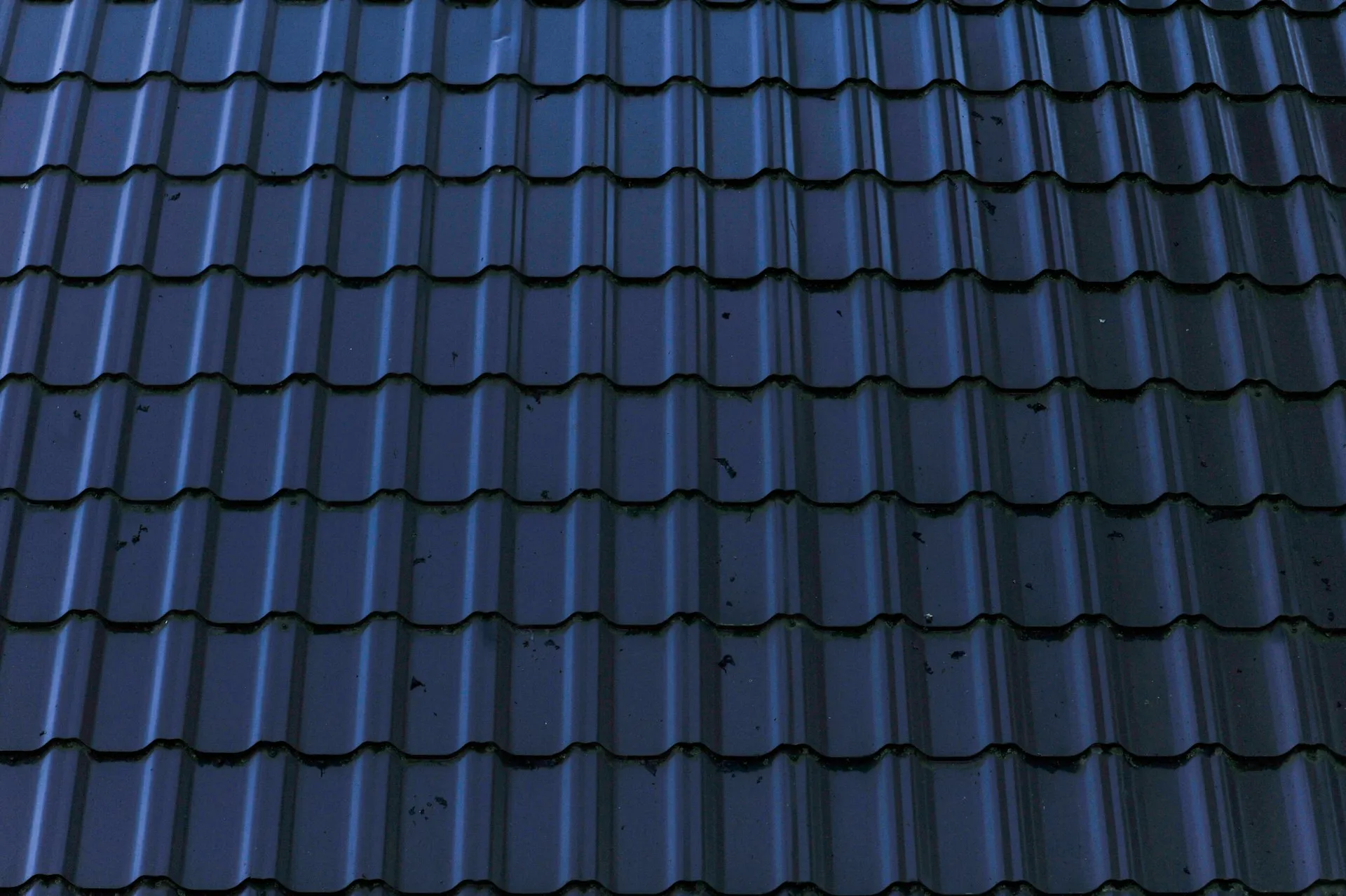
Phoenix Tile Roofs Protecting Aging Homes and Budgets
Tile roofs on older homes around Phoenix, from Ahwatukee and Glendale to Tempe, Scottsdale, and the East Valley, often look fine from the street. The color might be a little faded, but the tiles still seem lined up and solid. Then a ceiling stain shows up, or a home inspection flags the roof, and everything changes.
In our desert climate, the real trouble usually hides under the tile. Heat, sun, monsoon winds, dust, and UV can beat up the underlayment, battens, and wood deck long before the tiles wear out. That is why roof replacement in Phoenix feels confusing, especially when your tiles do not look “old” to you.
We want to walk you through what actually happens during a tile roof replacement on an aging home. We will explain what happens to your old tiles, how batten and deck work can change the scope, and how to plan for breakage and other surprises so your budget stays under control.
What Really Happens to Your Old Roof Tiles
On many concrete and clay tile roofs, the tiles are not the waterproof barrier. The underlayment beneath them is what keeps water out. In Phoenix, that underlayment often reaches the end of its life while the tiles still have years left in them.
Here is what usually happens during a tile roof project on an older home:
Tiles are carefully removed and stacked
Underlayment is peeled back to check the condition underneath
Tiles are sorted into “reusable” and “not reusable” piles
We look for chips, cracks, and signs that tiles are too brittle to handle another couple of decades. Some tiles pop off cleanly and are easy to reuse. Others have hairline cracks or have been stepped on too many times by previous workers.
Tiles can often be safely reused when they:
Are in generally good shape with no widespread cracking
Are a profile that is still available or has a known match
Do not show heavy spalling or flaking
Still meet any HOA or neighborhood appearance rules
Full tile replacement may make more sense when:
The existing tile profile is discontinued and hard to match
Tiles are so sun-baked that they shatter easily
Color fade is extreme and the owner wants a fresh, updated look
The HOA has changed style requirements since the home was built
Not every tile that comes off the roof will go back up. Tiles that cannot be reused are usually hauled away. Concrete tiles may have recycling options in some cases, often being crushed for other uses. Whatever cannot be recycled must be disposed of properly, which affects both cost and the environmental footprint of the job in our desert city.
How Batten and Deck Repairs Change the Job Scope
To understand why some tile roof jobs grow in scope, it helps to know two simple terms.
Battens are the wood strips that the tiles hook onto
Decking is the plywood or OSB sheets that form the solid base of your roof
In Phoenix, years of heat, past leaks, and even termites can damage both. What starts as “just replacing underlayment” can turn into a wood repair project once the roof is opened up.
A typical tear-off on an older tile roof looks like this:
Remove tiles and stack them safely
Pull up the old underlayment
Expose the battens and deck
Check battens for rot, warping, or insect damage
Probe the deck for soft spots, delamination, or mold staining
If we find that the deck or battens are in rough shape, the scope changes from a simple underlayment swap to partial or full wood repair. That affects several parts of the job:
Labor, more carpentry work to replace sections of wood
Materials, new lumber, sheathing, and fasteners
Debris, extra hauling for damaged or rotten wood
Timing, additional work days and possibly extra inspections
A good roofing proposal in Phoenix should prepare you for this. Instead of vague “time and materials” notes, many experienced contractors include allowances or unit prices for wood replacement. For example, the contract may spell out a per-foot or per-sheet price for battens and decking, so you know ahead of time how extra woodwork will be billed.
Budgeting for Tile Breakage and Hidden Extras
Even when everyone is careful, tile breakage on older roofs is unavoidable. Years of Arizona sun can make tiles brittle. Previous foot traffic from HVAC work, satellite dishes, or other trades can create weak spots. Older manufacturing runs may also age differently from newer ones.
Most projects expect some level of breakage while removing, stacking, and reinstalling tiles. Homeowners can plan ahead by:
Including a realistic contingency for replacement tiles
Allowing for upgrades to underlayment and flashings
Building in some room for wood replacement under the tile
A simple way to think about it is to plan for a certain percentage of tiles to need replacing, more if the roof is very old or has had a lot of foot traffic. On top of that, it is smart to consider other upgrades while the roof is open, such as:
Higher performance underlayment suited to Phoenix heat
New flashings around chimneys, skylights, and walls
Ventilation improvements to help the attic breathe
Seasonal timing matters too. Many owners prefer to get their roof project done before monsoon season or before the busier holiday period so they are not juggling roof work with guests, events, or storm worries.
Good questions to ask any roofer include:
Is a certain amount of tile breakage already included in the quote?
What happens if more tiles break than expected?
How will new tiles be sourced if the original style is discontinued?
Is there a clear per tile or per square price for extras beyond the allowance?
Clear answers up front help keep change orders from becoming a surprise later.
Comparing Reuse Vs Full Replacement of Tile Systems
Once you understand what is under your tiles, the big decision is whether to reuse them or install a whole new tile system.
Reusing tiles can offer:
Lower material cost because you are buying fewer new tiles
A look that fits the existing neighborhood or HOA style
Less waste going to the landfill
A familiar appearance if you like how your home looks now
The tradeoffs with reuse include:
Visible color differences if some tiles are replaced with close matches
Older tiles starting their “second life” already partway through their age
Limited options to change color or profile
A full tile replacement can provide:
A consistent, fresh look across the whole roof
Newer profiles that work well with modern underlayment choices
The chance to pick lighter or more reflective colors for Arizona heat
A clean slate if you plan to keep the home for many years
The right choice depends on your roof structure, style goals, HOA rules, and how long you plan to stay in the home. A professional inspection looks at framing, existing tile type, visible wear, and any known leak areas, then weighs that against your budget and plans. Sometimes a “new roof under old tiles” is the best value. Other times, a full system change is the smarter long-term move.
Plan Your Phoenix Tile Roof Replacement with Confidence
Older tile roofs across the Phoenix area often have more life left in the tiles than in the layers below. Many tiles can be reused, but they are not always the best option if they are brittle, faded, or out of step with your goals. Battens and decking can quietly break down over time, and when that shows up during a tear-off, the scope and cost of the project naturally change.
Budgeting ahead for tile breakage, wood replacement, and smart upgrades to underlayment and flashings can keep you from feeling blindsided. If you notice slipped tiles, stains on ceilings, or grit and debris in your gutters, it is a good time to plan an inspection, especially before the next monsoon season or busy holiday stretch. That way, your tile roof can keep protecting your home and your budget for many years to come.
Get Started With Your Project Today
If your roof is aging, leaking, or showing storm damage, we are ready to help you plan a timely and efficient roof replacement in Phoenix. At AZ Roofing LLC, our experienced team will inspect your home, explain your options clearly, and recommend the best solution for your budget and timeline. Reach out today through our contact page so we can schedule an on-site evaluation and provide a detailed, no-obligation estimate.