Risks of Flat Roof Repair Phoenix Building Owners Underestimate
Learn the costly problems many owners miss and how flat roof repair in Phoenix prevents leaks, structural damage, and emergency repairs early.
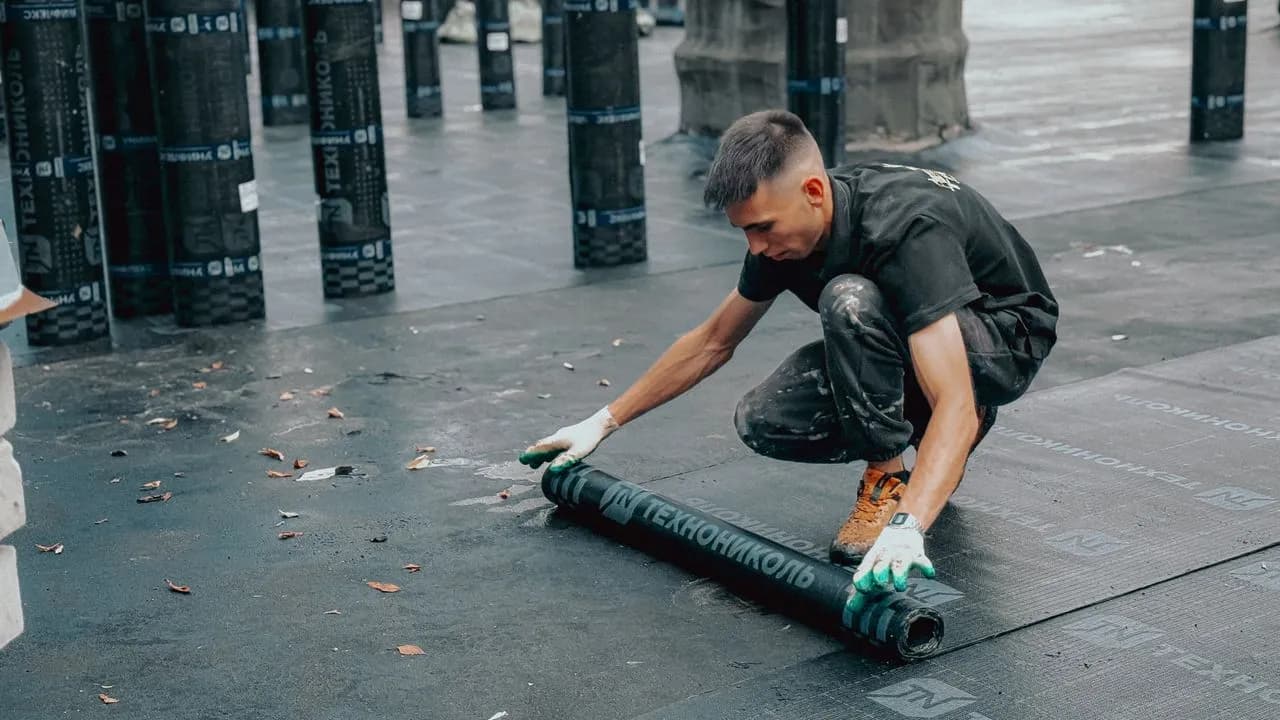
Do Not Let a “Simple” Flat Roof Leak Become a Business Crisis
Flat roofs in Phoenix can fool a lot of people. The weather is dry most of the year, so a small puddle on the roof or a little stain on the ceiling does not feel like an emergency. Many building owners see some ponding water, think it will dry up, and move on to the next task on their list.
Then one strong fall storm hits. That harmless-looking pond turns into standing water that pushes into seams, cracks, and weak spots. Now there is water in offices, upset tenants, damaged drywall, and stained ceilings. What seemed small on the roof suddenly feels very big inside the building.
We see this pattern all the time. In this post, we want to walk through the hidden risks of flat roof repair in Phoenix, why they are easy to underestimate, and how a proactive plan keeps your budget, your tenants, and your building protected.
Hidden Structural Dangers Beneath “Minor” Leaks
On a flat roof, the real story is almost never at the surface. A tiny crack in the coating or a blister in the membrane may not look scary, but it can be the tip of a much larger problem.
Under that surface, you may have:
Wet insulation that cannot dry out
A roof deck starting to weaken
Rusting fasteners and loose plates
Moisture creeping into framing members
Phoenix buildings deal with constant heat, day after day. Roofing materials expand in the sun and contract at night. Over time, this movement stresses fasteners, seams, and flashing. Even if the roof still looks mostly fine from above, that repeated motion can slowly pull things apart.
When moisture slips into the system and gets trapped in insulation, a few things happen at once:
The insulation loses its R-value, so the building gets harder to cool
Wood can start to rot and metal parts can corrode
The wet areas get heavier, adding weight your roof was not meant to carry
If that continues, you can end up with sagging areas and soft spots. In extreme cases, this can lead to partial failure of the roof structure. All of this can begin from “just a small leak” that was easy to ignore.
Phoenix Heat, UV, and Monsoon Make a Tough Roof Environment
Flat roofs in Phoenix live a hard life. The sun is intense, the UV is strong, and the heat lasts for long stretches. Common flat roofing materials like TPO, modified bitumen, foam, and BUR do not love that combination.
Over time, the heat and sun can:
Dry out membranes and coatings
Make materials brittle and easier to crack
Break down adhesives at seams and flashings
Then the late monsoon and fall storms roll through. A roof that has baked for months suddenly has to handle heavy rain and wind. When those first real storms of the season hit, dried-out sealants and aged seams can split. That is when surprise leaks often show up inside.
There is also something called thermal shock. The roof surface goes from very hot to much cooler in a short time when storms move in. That quick change can stress older materials and cause sudden failure. Any flat roof repair in Phoenix needs to respect this cycle of heat, UV, and seasonal rain. If repairs do not account for it, they are not likely to last.
The Hidden Costs of Quick Fixes and DIY Patches
We understand the temptation to fix a flat roof fast and cheap. A bucket of coating, a generic patch from the hardware store, a quick smear of sealant around a vent, and it feels like the problem is solved. But many times, those “savings” come back around later.
Common problems with quick fixes include:
Using materials that do not match the existing roof system
Skipping proper cleaning or primer so patches do not bond well
Sealing only the visible crack and missing deeper issues
Covering over trapped moisture instead of removing it
DIY or handyman patches can even make drainage worse. A poorly placed patch can create a little dam that holds water where it should flow off. Blocking a scupper or partial clogging of a drain with sealant or debris can add more stress to weak spots.
When these temporary fixes fail, the results are rarely small. You may be dealing with:
Business interruptions while repairs are made inside
Upset tenants or customers walking under buckets and tarps
Damaged ceiling tiles, flooring, equipment, or inventory
Shortcuts often turn what could have been a manageable repair into a larger project that affects more of the roof and more of your operations.
Neglected Drainage and Debris, the Silent Roof Destroyers
One of the biggest hidden risks on a flat roof is simple neglect. Not dramatic damage, not a huge tear, just slow buildup of debris and clogged drainage that no one sees from the ground.
On many Phoenix flat roofs, we find:
Clogged scuppers and internal drains
Gutters packed with leaves, dirt, and roofing granules
Piles of branches and trash caught behind HVAC units
When fall storms bring steady rain, those clogged drains can turn the roof into a shallow pool. Even a few inches of water spread across a large flat roof can add a lot of weight. That extra load pushes down on any spot that is already weak.
Standing water also hides problems. Under that puddle, you may have a split seam, blister, or small puncture that never has a chance to dry. Constant moisture speeds up deterioration, so what was a minor defect can become a serious leak.
Any smart flat roof repair in Phoenix should include a full look at drainage, not just the visible membranes. That means checking:
Drains, scuppers, and gutters for flow
Slope and ponding areas
Spots where debris tends to collect
Fixing only the hole without addressing the water path is like mopping a floor while a pipe keeps dripping overhead.
Insurance, Code, Warranty Pitfalls Owners Do Not See Coming
Flat roof problems are not just about water and materials. They also touch insurance, local rules, and warranties, and these areas can surprise building owners.
Improper or undocumented repairs can cause problems later if you need to file a claim for water damage. If an insurer sees unapproved products, missing records, or work that does not match the roofing system, they may question coverage.
Local codes in the Phoenix area can also affect roofing methods, fire ratings, and energy performance. Non-compliant repairs might go unnoticed at first, then show up during an inspection, refinance, or sale of the building. At that point, you could be required to fix old work on someone else’s timeline.
Many flat roof manufacturers require:
Regular maintenance and inspections
Use of specific materials for repairs
Work performed by qualified roofing professionals
If repairs are done by someone who is not familiar with these requirements, warranties can quietly be voided. The roof might look fine, but the safety net you thought you had may no longer apply.
Protect Your Building Now with a Proactive Flat Roof Plan
As fall moves along and business ramps up toward the holiday season, the last thing you want is an emergency leak disrupting tenants or operations. The good news is that many flat roof problems can be caught early with a clear plan instead of waiting for the next big storm.
A proactive approach usually includes:
A detailed roof inspection at least once a year
Extra checks after strong storms or long hot stretches
Photo-documented reports so you can see changes over time
A prioritized repair list, from “fix soon” to “monitor”
At AZ Roofing LLC, we work with Phoenix building owners who want their flat roofs to be one less thing to worry about. Because we focus on our local climate, we pay close attention to heat, UV, and storm patterns that are specific to this area, and we plan repairs and maintenance around them.
When you treat your flat roof as a long-term asset instead of a short-term headache, you get more useful life from it and fewer surprises inside the building. A small step now can prevent that “simple” leak from turning into the next big business crisis.
Get Started With Your Project Today
If your flat roof is showing signs of wear, we are ready to help restore its protection and performance. Learn how our experienced team approaches high-quality flat roof repair in Phoenix and get tailored options for your building. At AZ Roofing LLC, we start with a clear assessment so you know exactly what to expect in terms of scope, timing, and budget. Reach out today through our contact page to schedule your inspection.