Smart Roof Maintenance Phoenix Investors Use to Protect Rentals
Roof maintenance in Phoenix is one of the highest ROI moves a rental property investor can make.
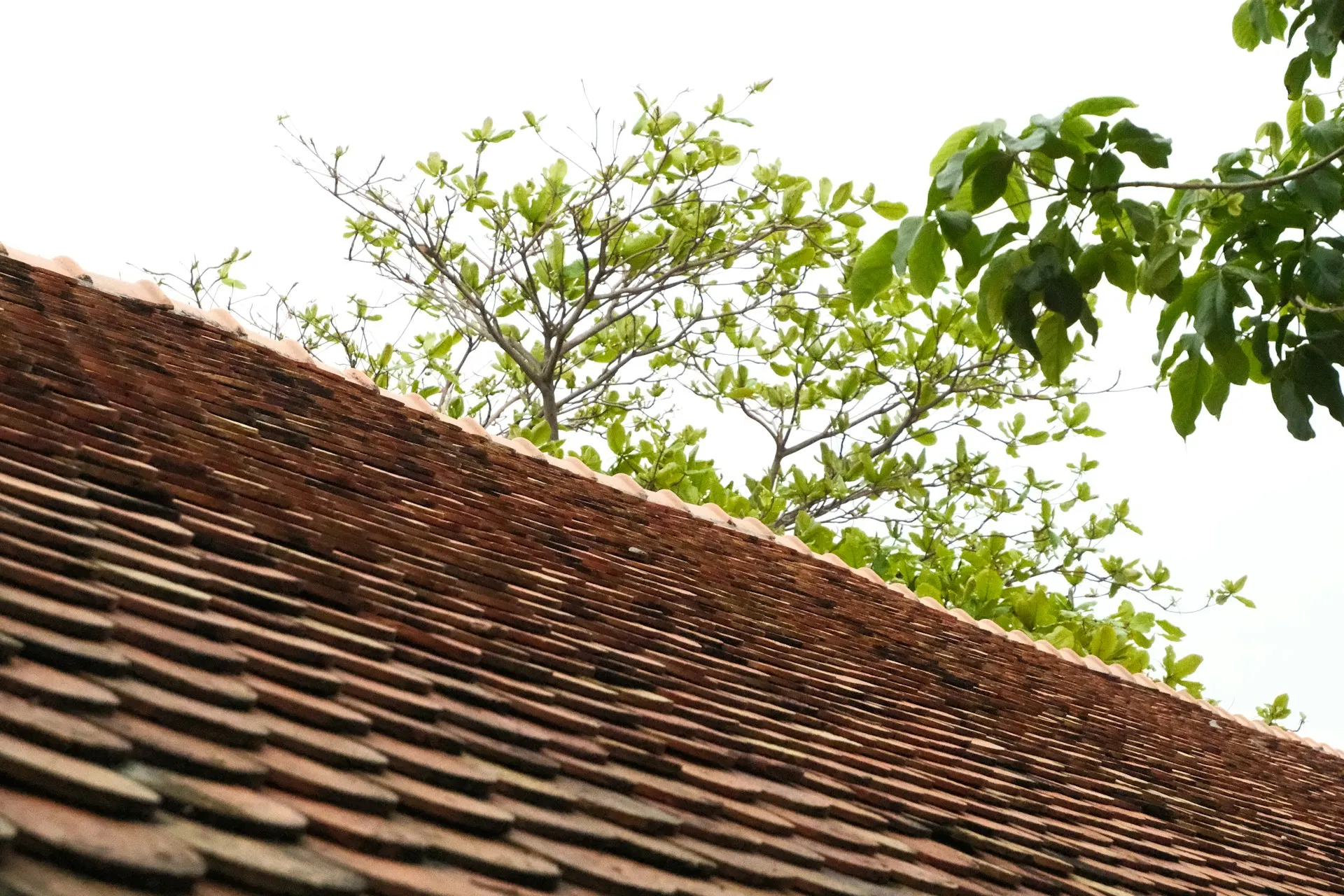
Smart Roof Strategies Phoenix Investors Rely On
Roof maintenance in Phoenix is one of the highest ROI moves a rental property investor can make. In our desert climate, the roof takes a beating from intense sun, UV exposure, dust storms, and monsoon rains. When the roof fails, it rarely stays “just a roof problem” for long. It can turn into damaged ceilings, ruined flooring, angry tenants, and insurance stress.
A healthy roof protects more than the building. It protects your rental income. By keeping the roof in good shape, you help prevent leaks, mold, emergency tenant moves, and long stretches of downtime while repairs happen. That is why smart Phoenix investors treat roof care as part of their core property strategy, not an afterthought.
We are AZ Roofing LLC, a family-owned, licensed, and insured-roofing contractor serving the Greater Phoenix area. We work with both residential and commercial rental owners, so we see what works and what causes headaches. In this guide, we will walk through simple seasonal checklists, cost-saving habits, ways to work with tenants, and long-term planning ideas that help keep your rentals protected and attractive to renters.
Why Phoenix Rentals Need a Roof Game Plan
Phoenix is hard on roofs. The sun bakes roofing materials day after day. UV rays dry out shingles and underlayment. Heat causes materials to expand and contract over and over, which can open tiny gaps around flashings and roof penetrations. Then dust storms and high winds roll through, pushing debris under tiles or lifting materials around edges.
Over time, this leads to problems like:
Cracked or slipped tiles
Curled or missing shingles
Loose or damaged flashing around pipes and chimneys
Worn sealants around roof penetrations
When investors wait for a leak before they act, the true cost usually goes way beyond that one repair. Reactive roof work can mean:
Emergency service timing instead of planned visits
Damage to drywall, paint, cabinets, and flooring
Upset tenants and possible temporary housing needs
Pressure to offer rent discounts or credits
Larger insurance claims and more questions from adjusters
A clear roof plan flips the script. With a strategy in place, you get:
More predictable budgets, since you are planning maintenance
Longer roof life, so you can delay full replacement
Better reports during inspections for sales or refinancing
Stronger documentation when you work with your insurance company
Instead of asking “What broke this time?”, you start asking “What is our next planned step to keep this roof healthy?”
Seasonal Roof Maintenance Phoenix Landlords Can Follow
Phoenix does not have harsh winters, but we do have patterns that matter for roof care: monsoon season, long hot summers, and the quieter periods in between. A simple yearly calendar helps keep things on track, especially if you own more than one rental.
Here is a practical rhythm many investors find helpful.
Late fall to early year planning:
Review any roof issues from the past year
Set up professional inspections for older roofs or multi-unit buildings
Make a basic maintenance checklist for each property
Before peak summer heat:
Walk the property from the ground and look for sagging roof lines
Check for missing, cracked, or slipped tiles or shingles
Look for signs of ponding water on flat roofs, like dark rings or staining
Note any cracked or dry sealant around vents and roof penetrations
Before monsoon season:
Clear visible debris from gutters, downspouts, and scuppers
Check that water can flow away from the building, not back toward it
Look for loose fascia boards or trim that might catch wind
Have a roofing pro inspect any flat or foam roofs for weak spots
After big storms:
Walk the exterior and look for fresh debris on the roof or around the property
Look up at ceilings inside for new stains or discoloration
Ask tenants if they noticed drips, musty smells, or new noises during rain
For single-story homes with simple roofs, a visual check from the ground is sometimes enough to spot clear trouble signs, but the safest and most complete view comes from a professional. For multi-story rentals, older properties, flat commercial roofs, or buildings with a long history of patch repairs, it is especially helpful to bring in a roofing contractor for routine inspections and maintenance recommendations.
Working with Tenants to Protect Your Roof Investment
Your tenants live under the roof every day, so they are your early warning system if you give them clear guidance. Small changes in your lease and move-in routine can prevent big problems later.
Consider spelling out rules such as:
No satellite dishes or antennas attached to the roof
No rooftop access for tenants or guests
No string lights, shade sails, or decorations anchored into roof materials
Clear limits on how roof decks or balconies can be used
At move-in, share simple, friendly tips so tenants know what to look for, such as:
Water stains or rings on ceilings or upper walls
Musty or damp smells after rain
Visible daylight in attic areas, if they can safely see into them
Unusual debris or heavy runoff into patios or courtyards during storms
You can also build roof awareness into your regular systems:
Add “roof or leak issues” as a category in your maintenance portal
Encourage quick reporting, even for small stains or occasional drips
During tenant turnovers, have someone check ceilings, closets, and, if safe, attic access panels in top-floor units
When tenants know what matters and feel heard when they report small problems, you often catch roof issues when they are still easy to fix.
Extending Roof Life with Smart Materials and Upgrades
Phoenix rentals use a mix of roof types. Tile roofs are common on homes, asphalt shingles are still widely used, and many commercial or multi-unit buildings have foam or other flat roofing systems. Each type needs its own care plan, and a trusted roofer can help match the plan to your property and your hold period.
Some upgrades and maintenance steps that often pay off for investors include:
Reflective coatings on foam and flat roofs, which can help with UV protection
Upgraded underlayment under tile roofs, especially on older homes
Better attic ventilation to reduce trapped heat and stress on materials
Strategic repairs to problem areas so you can safely delay full replacement
These are not just “roof geek” details. They connect directly to how your rentals perform. A roof that reflects more heat and is sealed correctly can support more stable indoor temperatures, which tenants notice. That can mean fewer complaints about hot top floors, less strain on AC systems, and a property that feels more comfortable and well cared for.
When investors pair regular roof maintenance in Phoenix with smart upgrades, they often see longer roof life, fewer surprises, and rentals that stand out in a crowded market.
Partnering with a Local Roofing Pro for Peace of Mind
The easiest way to turn roof care into a simple system is to partner with a local roofing contractor that understands Phoenix weather and rental needs. With a set schedule for inspections and maintenance, you are not guessing about roof health or waiting for a problem to show up during a storm.
A good roofing partner can help with:
Routine inspections on a set calendar
Maintenance plans for both homes and commercial buildings
Priority help after major wind or monsoon events
Clear reports and photos you can keep in your property files
Those records matter. A documented maintenance history can support smoother insurance conversations, give buyers more confidence when you sell, and help you plan for future replacements across your portfolio instead of being caught off guard.
As the year wraps up and many investors review their properties, it is a smart time to think about your roof, too. Getting inspections and maintenance lined up before the next long stretch of heat and monsoon activity can keep your rentals protected and your income steadier. We at AZ Roofing LLC are here in the Greater Phoenix area, ready to help investors build practical, long-term roof plans that fit their properties and goals.
Protect Your Home With Expert Local Roof Care Today
If your roof has taken a beating from Phoenix sun and storms, now is the time to schedule professional roof maintenance in Phoenix with AZ Roofing LLC. We will inspect your roof, address problem areas early, and help extend its lifespan so you avoid costly surprises later. To discuss your roof concerns or request an appointment, simply contact us and our team will follow up promptly.