What Storm Damage Roof Repair Really Means for Flat Roofs in Phoenix
Flat roofs and Phoenix monsoon storms do not mix very well.
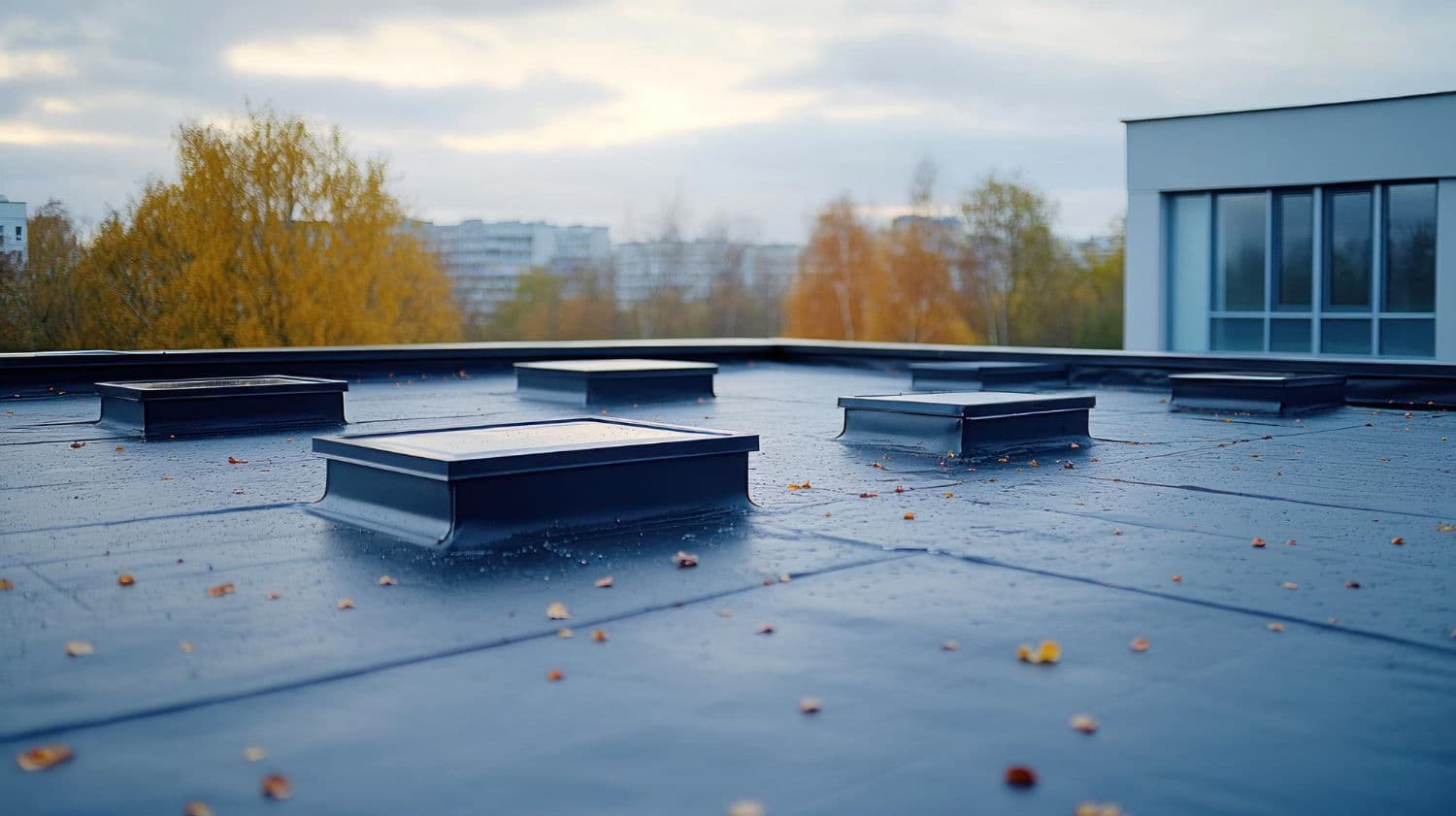
Don’t Let Monsoon Storms Destroy Your Flat Roof
Flat roofs and Phoenix monsoon storms do not mix very well. Heavy downpours, strong wind, and flying debris can push a flat roof past its limits, especially in the middle of summer when storms roll in fast. If you own a home or building with a flat roof, storm damage roof repair is something you need to understand before the clouds build up.
From the ground, that flat roof might look fine. You may not see missing shingles or big holes, so it feels safe to shrug off a storm and move on. But flat roofs often hide damage where you cannot see it. Storm repair is not just about stopping a drip in the hallway; it is about protecting your whole building, inside and out, and keeping that roof working for as long as possible.
As a local roofing team that works on flat roofs across the Phoenix metro area, we see what monsoon season can really do. We want to walk through how storms attack flat roofs, what real repair looks like, and how to get your roof ready before the next round of dust, wind, and rain hits.
How Monsoon Storms Attack Flat Roofs in Phoenix
Monsoon storms are hard on every roof, but flat roofs take a special kind of hit. Water does not slide off as easily, and the wide, open surface gets the full force of the wind.
During a storm, your flat roof can face:
Ponding water that sits in low spots after heavy rain
Membrane punctures from branches, loose tiles, or other flying debris
Wind uplift that tugs at seams and edges
Clogged drains and scuppers that keep water from leaving the roof
Phoenix heat also sets the stage before the first storm cloud shows up. Long, intense sun exposure dries and weakens many flat roofing materials. By mid-summer, the roof surface can already be tired and brittle. When a strong storm hits, that weakened surface is more likely to crack, blister, or pull apart at seams and flashings.
Some warning signs are easy to miss if you are not trained to spot them. For example:
Soft or spongy spots when you walk on the roof
Bubbles or blisters in the roof membrane
Stains on ceilings or upper walls
Musty or damp smells indoors
Higher cooling bills with no clear reason
These can point to hidden moisture that slipped in during a storm. That moisture can move sideways under the roof surface, into insulation, and even into the deck. Without a careful inspection after big monsoon events, small issues can slowly turn into structural damage or mold inside the building.
What Storm Damage Roof Repair Really Involves for Flat Roofs
Storm damage roof repair should always start with safety and a complete look at the whole roof system. For a flat roof, that means much more than glancing at a few patches of standing water.
A proper storm inspection will check:
The main membrane or roof surface
Flashings around edges, walls, and rooftop equipment
Parapet walls and caps
Roof penetrations like vents and AC units
Drains, scuppers, and gutters connected to the roof
Once the damage is mapped out, repair can include several steps, such as:
Patching and resealing damaged membrane areas and seams
Removing and replacing wet or ruined insulation
Repairing or replacing loose or cracked flashings
Cleaning, adjusting, or reworking drains so water flows correctly
One of the most important parts is finding trapped moisture. Water can sit inside a flat roof system without any visible puddles on top. That hidden water can slowly rot decking, feed mold, and weaken the structure. Professional crews use their training and tools to check for wet areas below the surface so those spots can be cut out and rebuilt, not just covered over.
Good documentation is also part of honest storm repair. Photos, notes on where damage was found, and clear repair plans help you understand what is going on with your roof. That same information can be useful when you talk with your insurance company or plan future maintenance.
Repair or Replace Your Flat Roof After a Storm
Not every storm means you need a whole new roof. Many flat roofs can be brought back into good shape with targeted storm damage roof repair. The key is knowing when repair makes sense and when replacement is the safer move.
A roofing professional will look at things like:
Age of the roof system
How large and deep the storm damage is
Condition of the deck under the roof
History of past leaks or repeated patch jobs
If your roof is fairly new or has been cared for over time, focused repairs usually make good sense. Fixing damaged sections, drying out wet areas, and tuning up drainage can restore performance and help the roof last much longer.
On the other hand, if storms have driven water into many areas of the roof, or if there are long-running problems that keep coming back, a full replacement may be the smarter long-term choice. This can also be a time to think about upgrades, like reflective coatings or improved insulation, that support better comfort and energy use.
For both homes and commercial buildings, it also helps to know what to expect during work. Repair jobs may be faster and less disruptive, with crews working around access points and trying to limit impact on daily life or business operations. Full replacement usually takes longer and may mean more noise, more equipment on site, and short periods when areas need to be closed off for safety.
Getting Ready Before the Next Monsoon Hits
The best storm damage is the kind that never happens. While no roof can be totally storm proof, regular care can cut your risk by a lot and keep your roof performing well into future monsoon seasons.
Smart steps for flat roof owners include:
Routine inspections, especially before and after monsoon season
Clearing drains, scuppers, and gutters of leaves and debris
Removing loose items and trash from the roof surface
Trimming trees that hang over or near the roof
When small problems are handled early, they stay small. A minor crack, a loose flashing, or a developing low spot can often be corrected before it turns into ponding water or a leak during the next storm. Many owners find that planning an inspection in late spring or early summer works well, since it gives time to handle repairs or coatings before intense storms are likely.
Some roofing companies offer ongoing maintenance plans built around local weather patterns. For flat roofs in the Phoenix metro area, that means planning for heat, sun, dust, and summer storms, not just rain in general. Steady care like this helps extend the life of the roof system and gives you more peace of mind when dark clouds start piling up.
Protect Your Flat Roof with Local Storm Repair Experts
If your property has gone through a strong monsoon, it is risky to wait for a clear leak before taking action. Wind-blown debris, dust, and heavy rain can all leave behind problems you will not see from the ground. A professional set of eyes on your flat roof after a storm can make the difference between a simple repair and a major headache later.
Working with a local, family-owned, licensed, and insured roofing contractor that understands Phoenix flat roofs and monsoon patterns helps you get repair and maintenance that actually match what your building faces each summer. Thoughtful inspection, careful repair, and consistent upkeep can keep your flat roof strong, your interior dry, and your day-to-day life or business running without surprise interruptions when the next storm rolls through.
Restore Your Roof’s Strength Before the Next Storm Hits
If your roof has taken a beating from recent weather, we are ready to help you with expert storm damage roof repair that restores safety and peace of mind. At AZ Roofing LLC, we carefully assess your roof, explain your options, and complete repairs with reliable materials and workmanship. Reach out to us today through our contact page to schedule an inspection and take the first step toward a secure, weather-ready home.