Storm-Damaged Roof Repair for Phoenix Rentals: Landlord vs. Tenant Duties
Storm damage roof repair gets tricky when you own rental property in the Greater Phoenix area.
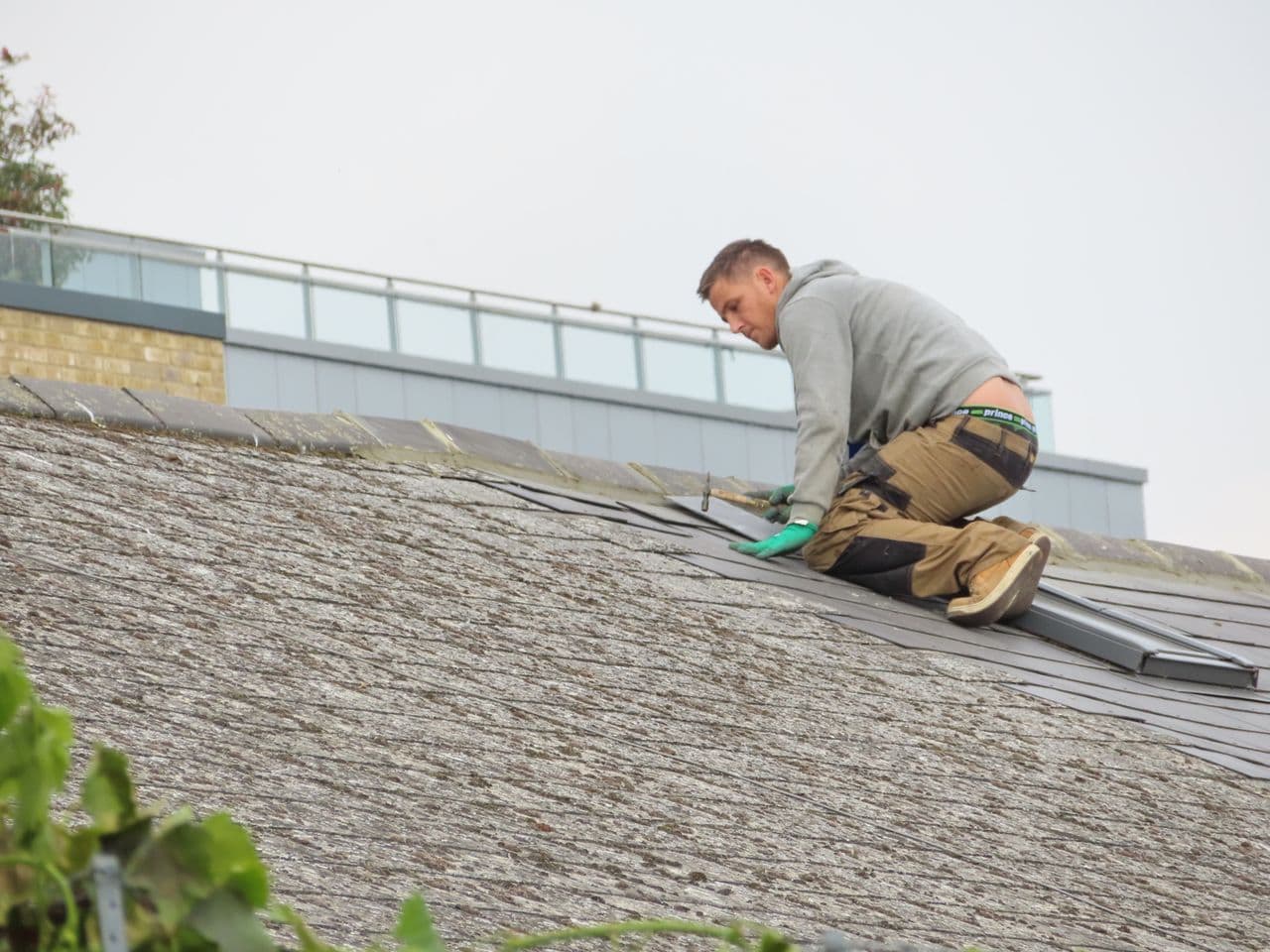
Protecting Your Phoenix Rental Investment After Storms
Storm damage roof repair gets tricky when you own rental property in the Greater Phoenix area. You are not just protecting a building, you are protecting your income, your tenants, and your long-term investment all at the same time.
Late June lines up with monsoon season, when high winds, dust storms, and heavy downpours can hit fast. Those storms can lift shingles or tiles, push water under flashing, and send debris right into your roof. When that roof covers tenants, the stakes are even higher because habitability and safety come into play.
We will walk through who usually handles what after storm damage, what kind of documentation helps you stay protected, and what lease clauses can cut down on stress and arguments. With a clear plan, you can move from panic to process the next time the sky turns brown and the wind picks up.
Understanding Storm Damage Risks on Phoenix Rental Roofs
Monsoon storms in Phoenix are hard on rental roofs. Even if everything looks fine from the ground, your roof may have weak spots that only show up once the next rain hits.
Common local storm damage includes:
Missing or lifted shingles or tiles from strong gusts
Punctures or impact marks from windblown branches and debris
Damaged flashing around vents, skylights, and chimneys
Pooled water on flat or low-slope roofs after intense downpours
When we talk about rentals, those issues quickly become more than a roof problem. A small opening in the roof can lead to:
Leaks that drip onto tenants’ belongings
Wet drywall and insulation, which can lead to mold if left alone
Ceiling sagging or soft spots that feel unsafe to tenants
If those leaks are not handled quickly, landlords can face claims that the home is not livable. That can trigger rent disputes, early move-outs, or complaints that attract extra attention. Ignoring a few loose tiles can snowball into emergency storm damage roof repair, higher insurance costs, and longer vacancies while repairs and interior restoration are completed.
Landlord vs. Tenant Duties After Roof Storm Damage
In Arizona, landlords are generally expected to keep rental properties safe and livable. That includes keeping the structure, roof, and exterior in good working order. When storms hit, water intrusion, exposed wiring, or falling ceiling material all turn into urgent issues.
Landlords are usually responsible for:
Maintaining the roof and structural parts of the building
Fixing leaks and storm damage within a reasonable time
Taking quick action when there are safety concerns
Tenants have responsibilities too. They are expected to:
Report visible leaks, new water stains, or ceiling bulges right away
Move their own belongings away from active leaks when they can
Follow short-term safety instructions, like avoiding a certain room or area
Real-life situations can get messy. If a tenant waits weeks to say anything about a leak and then there is major damage inside, the conversation about who pays can change. On the other hand, if a tenant caused the roof damage, like climbing on the roof without permission or adding a satellite dish the wrong way, that can shift responsibility. Pure weather-related storm damage typically falls on the landlord, but tenant-caused damage may be handled differently depending on the lease and local rules.
Essential Documentation Steps After a Monsoon Storm
After a big storm, a simple checklist can help you catch problems early and keep your records clean. It does not need to be complicated, but it should be consistent.
A basic poststorm plan might include:
Contacting tenants and asking if they see leaks, stains, or ceiling issues
Walking the property exterior and checking for missing tiles or shingles
Looking inside for fresh water spots on ceilings and top-floor walls
Arranging a professional roof inspection if strong winds or hail passed through the area
Good documentation matters almost as much as the repair work. Try to:
Take time-stamped photos and videos of roof surfaces, gutters, and any interior damage
Write down what you saw, when the storm hit, and when tenants first reported problems
Save messages, emails, and maintenance portal notes from tenants about leaks or concerns
These records help when you file an insurance claim for storm damage roof repair. Clear notes and images can speed up approvals, support the need for emergency work, and cut down on finger pointing later. Documentation also shows that you responded quickly to tenant reports, which can be important if there are any disputes about habitability or responsibility.
Smart Lease Clauses for Storm-Damaged Roof Repair
Your lease is your first line of protection when storms damage a rental roof. Clear language sets expectations before the first raindrop hits.
Helpful lease clauses often:
State that the landlord is responsible for structural repairs like the roof, framing, and exterior walls
Explain that tenants are responsible for their personal property inside the unit
Recommend or require renters insurance so tenants can cover their belongings if a leak damages them
It also helps to spell out reporting rules. For example, the lease can:
Require tenants to report leaks, new water stains, or ceiling bulges as soon as they notice them
List approved communication methods, like a portal, email, or an emergency line
Explain how emergency situations are handled outside normal hours
You can add protections that keep repairs moving quickly. Leases can:
Allow timely access for roofers and restoration crews, with reasonable notice
Explain when temporary relocation or rent adjustments may be considered during major repairs
Make it clear that storm damage roof repair will be done by licensed and insured contractors, following local codes
Clear lease language reduces confusion when the pressure is on and gives everyone a shared roadmap for what happens next.
Working with a Phoenix Roofing Contractor You Can Trust
Storm damage on a rental property is not the time to experiment with guesswork. Local roofing knowledge matters, especially in a place like Greater Phoenix where intense sun and monsoon winds team up to wear down roofs over time.
A Phoenix-based roofer understands:
How local wind patterns hit different roof slopes
Which roofing materials are common on single-family rentals and multifamily buildings
How urgent it is to get units back to a livable state with minimal disruption
When choosing a roofing partner, landlords and property managers can look for:
Proper Arizona licensing and insurance
Experience with both residential and small commercial rental properties
Clear communication and the ability to provide written inspection reports
Photos and documentation that help with your own records and insurance claims
Ongoing maintenance plans can also help. Regular roof inspections before and after monsoon season, along with small repairs like sealing flashing or replacing broken tiles, can stretch the life of your roof. Proactive work on weak areas makes it less likely you will be stuck in emergency storm damage roof repair mode every time the skies turn dark.
Secure Your Rentals Before the Next Monsoon Hits
Monsoon storms will keep coming, but you can be ready for them. A smart plan protects your tenants, your buildings, and your income.
As a family-owned roofing contractor serving the Greater Phoenix area, we understand how stressful storm season can be for landlords and property managers. With clear lease terms, strong documentation habits, and help from a local roofing team that knows rental properties, you can move through storm damage with less chaos and more control.
Get Started With Your Project Today
If your roof was hit by a recent storm, we are ready to help you restore it quickly and safely. Our experienced team specializes in storm damage roof repair so you can protect your home and prevent further issues. Reach out to AZ Roofing LLC today to schedule an inspection or request a quote, or use our contact form to get answers to your questions.