Tile Roof Underlayment Failures in Phoenix: Spot, Test, and Fix
Tile roofs in Phoenix often look solid from the street, even after a long, brutal stretch of heat.
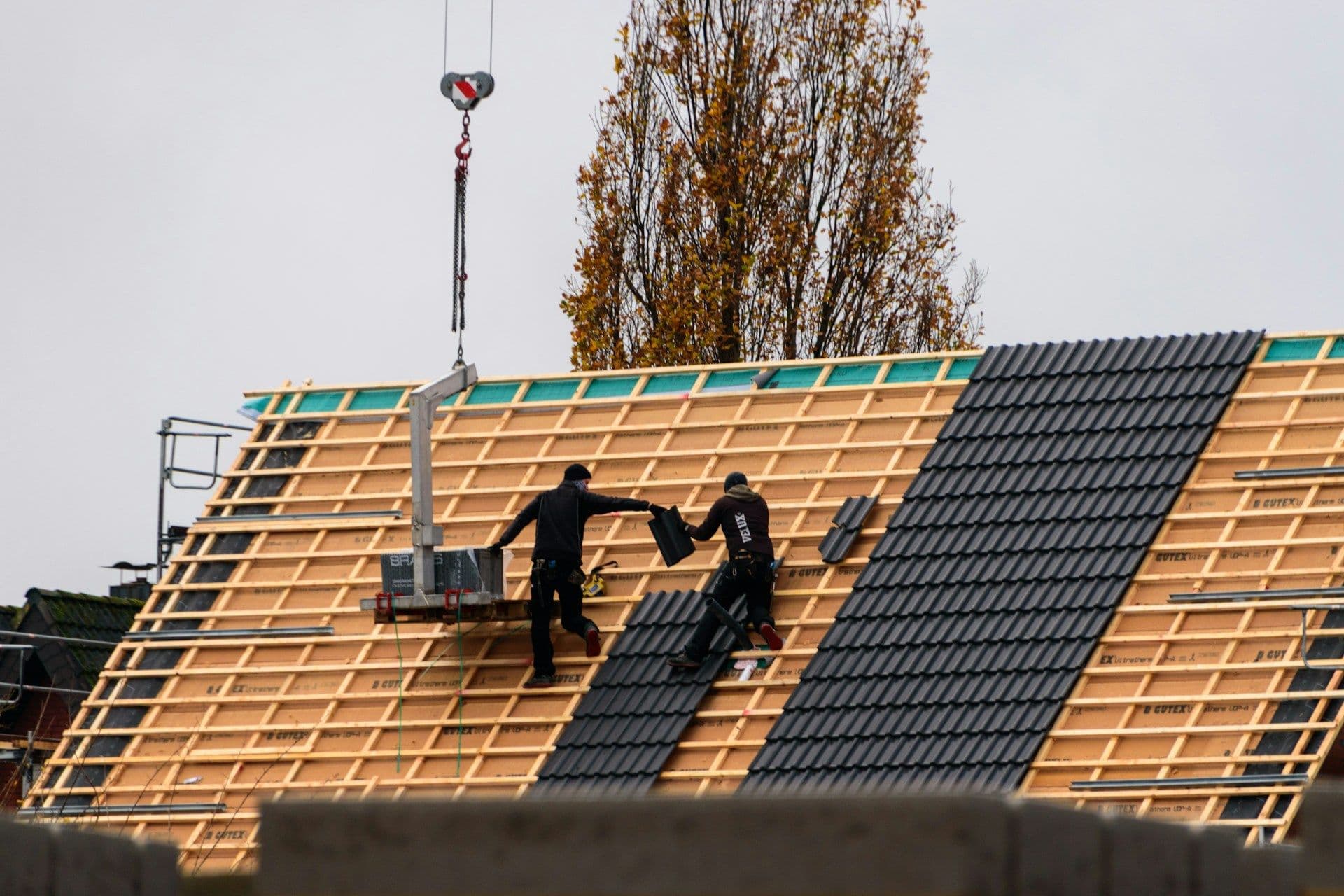
Heatwave Damage Hiding Under Tile Roofs
Tile roofs in Phoenix often look solid from the street, even after a long, brutal stretch of heat. The tiles shed sun and rain pretty well, so it is easy to think everything under them is fine. The real problem usually starts where you cannot see it, in the underlayment that keeps water out. Late summer, with heatwaves followed by monsoon storms, is when small weaknesses under those tiles finally start to show.
When the underlayment cracks, curls, or dries out, water can sneak in even though the tile surface still looks good. That is when ceiling stains, musty smells, or loose tiles can pop up without much warning. As a local roofing crew that has been working on tile roof repair in Phoenix for many years, we know how quickly hidden damage can grow once heat and storms team up.
Why Phoenix Heat Destroys Tile Roof Underlayment
Underlayment is the thin but important layer under your tiles that keeps water off the wood structure of your home. In cooler places, it can last a long time. In the Greater Phoenix area, that same material sits under 110-degree-plus days, harsh UV, and big temperature swings from afternoon to night. That constant baking and cooling makes underlayment age faster.
Common types of underlayment under tile roofs include:
Traditional felt paper
Modified bitumen sheets
Synthetic underlayments made from plastic-type materials
Each one breaks down in its own way after years of heatwaves and monsoon seasons.
Felt can dry out, crack, and tear when it becomes brittle.
Modified bitumen can get soft in high heat, then crack as it cools over and over.
Some synthetics can curl, shrink, or pull away around nails and along the roof edges.
If your tile roof was installed 15 to 25 years ago, it may be entering the risk zone for underlayment failure in our desert sun. Warning signs are more likely if:
The roof has never had a professional inspection.
Tiles have shifted, broken, or gone missing.
You have seen past small leaks that were patched only on the inside.
At that age, the tiles might still be strong enough to reuse, but the underlayment can be near the end of its useful life.
Early Warning Signs You Can See From the Ground
You do not need to climb on your roof to spot early clues. A simple walk around your home and a quick look inside can tell you a lot.
From the ground outside, watch for:
Slipped or crooked tiles that look out of line with the rest.
Dark streaks along edges or below rooflines, which can hint at water movement.
Visible wood, nails, or underlayment peeking out at the eaves.
Sagging or uneven areas in the roof surface.
Debris-packed valleys where leaves, dirt, and palm fronds collect.
Inside, keep an eye on:
New ceiling stains, even small ones, after a monsoon storm.
Musty or damp smells in certain rooms, closets, or hallways.
Peeling paint, bubbling drywall, or hairline cracks near the ceiling or upper walls.
Late summer is a smart time to do this check. The heat has already stressed your roof all season, and storms are more active. Catching minor underlayment problems now can help you avoid sudden leaks and emergency tile roof repair in Phoenix when the next big storm rolls through.
Professional Ways Roofers Test Underlayment Damage
A licensed roofer does more than just glance at the tiles. A close inspection looks past the surface to see how the underlayment is holding up. On the roof, we look for brittle or curling underlayment where it is exposed, cracks around pipes and vents, and worn areas in valleys where water flows the hardest.
Some of the tests and checks a pro will use include:
Gently lifting tiles in key spots to see the underlayment condition.
Checking valleys, flashing, and roof edges for tears and gaps.
Using moisture meters on surfaces where leaks are suspected.
Looking in the attic for daylight where it should not show, damp insulation, dark wood stains, or early mold growth.
Removing tiles might look simple in a video, but DIY tile lifting can cause more trouble than it solves. It is easy to crack tiles by stepping wrong, disturb overlaps that were carefully arranged, or miss small but important signs that a trained eye is used to spotting. There is also the risk of harming any existing product warranties or creating new weak spots that were not there before.
Repair Options Short of Full Tile Roof Replacement
The good news is that underlayment problems do not always mean you need a full tile roof replacement. Many roofs can be repaired in sections, which can stretch the life of the existing tile.
Common repair approaches include:
Targeted underlayment replacement in damaged areas, such as valleys or around penetrations.
Careful removal of tiles, replacement of worn underlayment, then relaying the same tiles.
Upgrading to higher heat-rated underlayment materials when repairs are made.
You might hear terms like “partial lift and relay” and “full strip and replace.”
A partial lift and relay focuses on specific problem sections, reusing the current tiles. This can be a good fit when the roof structure and most underlayment are still in decent shape and the damage is limited.
A full strip and replace removes all tiles, replaces all the underlayment, then relays either the same tiles or new ones. This often makes sense when underlayment across the whole roof has aged out or there are widespread issues.
When we evaluate a tile roof, we look at its age, how many tiles are broken or worn, where leaks are showing up, and what the homeowner’s goals are. Sometimes the smartest choice is a focused repair that buys more years of service. Other times, a more complete renewal of the underlayment will give better long-term peace of mind.
Preventive Steps Before the Next Monsoon Season
You do not control the heat or storms in Phoenix, but you can lower the chance of surprise leaks. A few simple habits each year can help keep your tile roof and underlayment in better shape.
A basic seasonal checklist looks like this:
Get a professional roof inspection done before storm activity picks up.
Keep gutters, downspouts, and roof valleys clear of leaves and debris.
Check from the ground for new slipped tiles after strong wind or storms.
Pay special attention to areas around skylights, chimneys, and roof edges.
There are also upgrades that tend to pay off in our climate, especially when paired with repair work:
Higher temperature-rated underlayment that stands up better to baking heat.
Improved attic ventilation to lower trapped heat under the roof surface.
Stronger, updated flashing details in spots that have leaked before.
When possible, planning tile roof repairs during cooler months can be more comfortable for the crew and less stressful for your home. Still, any time you notice a ceiling stain, damp smell, or visible roof change after a heatwave or storm, it is worth having it checked sooner rather than later. Catching roof issues early is almost always easier than cleaning up water damage inside your home later.
Protect Your Tile Roof And Home With Expert Local Repair
If you are noticing cracked tiles, leaks, or other roof issues, we can help restore your roof before minor problems become costly damage. At AZ Roofing LLC, our experienced team provides reliable tile roof repair in Phoenix tailored to the unique demands of our desert climate. Reach out today to schedule an inspection, get honest recommendations, and understand your best repair options. For fast responses and convenient scheduling, please contact us.