What Roof Inspection in Phoenix Should Include Before Summer Heat
Roof inspection in Phoenix is not a luxury; it is basic protection for your home or building.
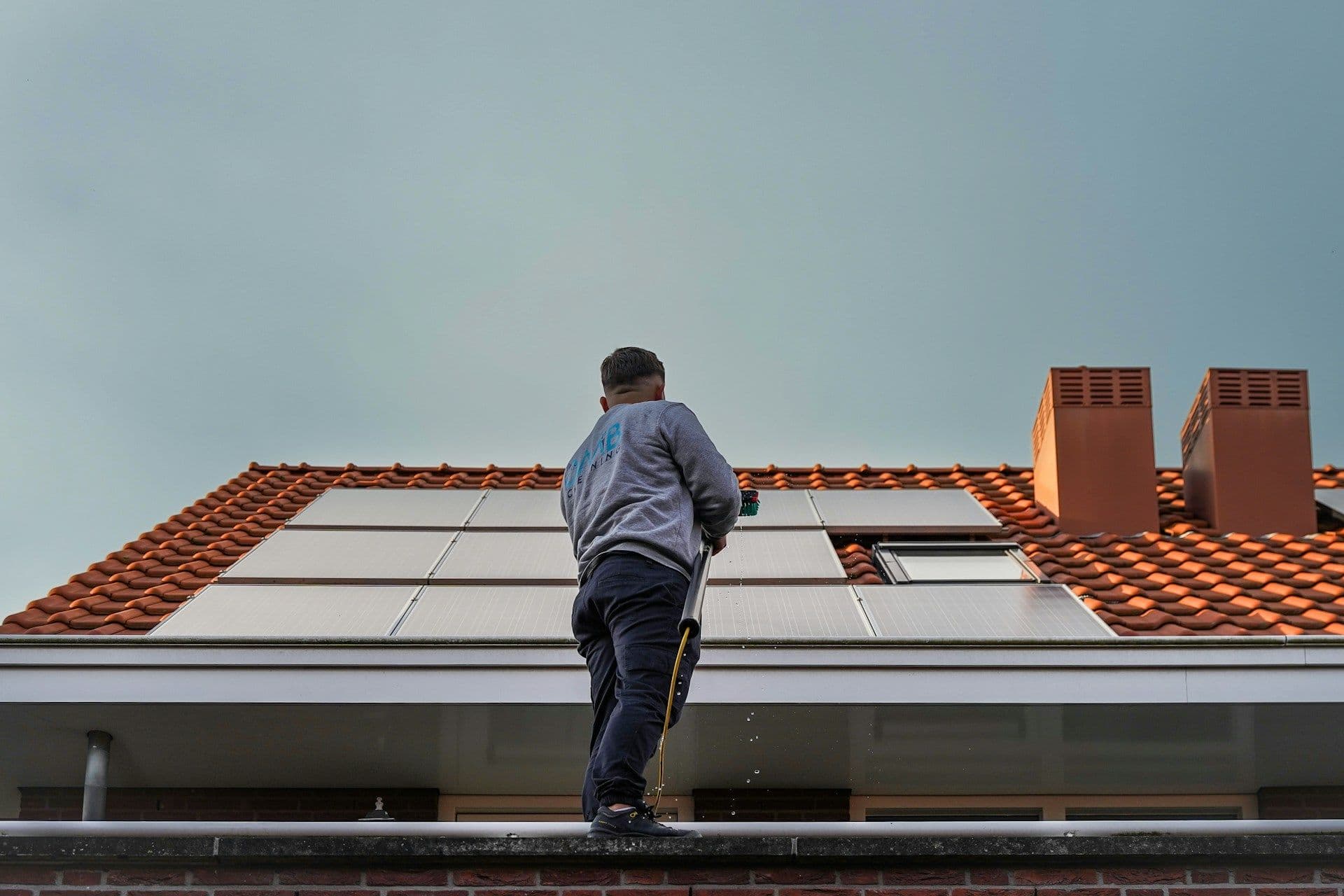
Protect Your Roof Before Phoenix Summer Peaks
Roof inspection in Phoenix is not a luxury; it is basic protection for your home or building. Our summers bring extreme sun, long stretches of triple-digit heat, dust storms, and monsoon rain that can wear down a roof little by little. Problems often start small on the surface, then turn into leaks, hot rooms, and damaged interiors.
Planning a roof check before the worst of late summer heat and storms helps catch those problems early. This is true for both homes and commercial properties. A strong roof keeps your space cooler, protects what you own, and helps you avoid surprise repairs during the busiest storm weeks.
We are AZ Roofing LLC, a family-owned, licensed, and insured roofing contractor serving the Phoenix metro area. We deal with desert-style roofing challenges every day, so we know what our weather does to shingles, tiles, flat roofs, and more. Below is what a thorough pre-summer roof inspection in Phoenix should include, and how it goes far beyond a quick glance from the street.
Why Pre-Summer Roof Inspections Matter in Phoenix
Our desert climate is tough on every type of roof. The sun hits hard for long hours, and the heat does not let up for months. All that UV and heat slowly breaks down materials that are supposed to keep water and heat out.
Here are a few local factors that make a pre-summer inspection so important:
Intense UV rays dry out shingles, sealants, and coatings
Big temperature swings between day and night cause materials to expand and contract
Monsoon storms bring wind and heavy rain that push into any weak point in the roof
If small issues go unnoticed, they can turn into bigger roof leaks or loose materials at the worst time. Emergency repairs during a stormy week are stressful and harder to schedule, and water can spread quickly once it finds a way in. A planned inspection early in the season usually keeps you ahead of those surprises.
Regular professional roof inspection in Phoenix also helps roofs last longer. When your roof is in good shape, it:
Protects indoor comfort by keeping heat where it belongs, outside
Helps your AC work more efficiently by supporting reflective surfaces and insulation
Reduces chances of sudden damage that forces early roof replacement
Over time, that kind of care saves money and helps keep your home or building more comfortable, even on very hot days.
Structural Checks Every Phoenix Roof Needs
A proper inspection starts with the structure under all the visible parts. Heat and age can slowly weaken that core, even if the top layer looks mostly fine from the ground.
A good structural check should include:
Looking for sagging areas or dips in the roofline
Pressing for soft spots that may signal damaged decking
Watching for warping or movement in the roof frame
These signs can mean that long-term heat exposure, past leaks, or age have started to affect the roof base. Catching those issues early helps prevent bigger structural problems later.
Next, flashing gets close attention. Flashing is the metal or other material around:
Chimneys
Skylights
Vents and pipes
HVAC units on the roof
In our dry heat, sealants around flashing can crack and pull away. Even tiny gaps can let in wind-driven rain once monsoon storms arrive. An inspection should note worn sealant, rust, loose flashing, or any gap that could open more under strong wind.
Fasteners, seams, and transitions between roof sections also matter a lot, especially on flat and low-slope commercial roofs. We check for:
Loose or missing screws or nails
Seams starting to lift or separate
Gaps where different roof materials meet
If these are not fixed before summer winds hit, they can peel up more material and expose the layers below.
Surface, Shingles, and Sealants Under Desert Sun
The roof surface takes the direct hit from Phoenix sun. On shingle or tile roofs, a careful inspection checks for:
Cracked, curled, or missing shingles
Granule loss that leaves bare spots on shingles
Broken, slipped, or missing tiles
Heat blisters or bubbling on surfaces
Even one damaged area can turn into a leak, especially where water naturally flows. When we see patterns of damage, it can also hint at deeper issues, like poor ventilation or aging materials that are reaching the end of their useful life.
Flat or foam roofs are common across the Valley, especially on commercial buildings. These rely on coatings and sealants to keep water out and reflect heat. A quality inspection should check for:
Bubbles, peeling, or cracks in coatings
Faded or chalky areas from UV damage
Stains or rings that show old ponding water
Thin or worn spots where waterproofing is breaking down
Roof penetrations and edges are also key. Around pipes, vents, parapet walls, and roof edges, sealants can dry out and split. We check for:
Dried, split, or missing caulking
Loose edge metal
Exposed underlayment or foam
These are often the first places that leak once heavy rain arrives.
Gutters, Drainage, and Energy Efficiency Checks
Even in a dry climate, drainage is a big deal. When it does rain, it can come fast and hard. If water has nowhere to go, it sits on the roof or pours over the edges.
On homes and many low-slope roofs, we inspect and clean:
Gutters
Scuppers
Downspouts
Dust, leaves, and small debris can slowly build up and clog these areas. When that happens, water can back up under roof edges, stain walls, or cause wood rot along the fascia.
For flat and low-slope roofs, drainage is even more important. A thorough roof inspection in Phoenix should check:
That the roof slope directs water toward drains
That drains and scuppers are open and flowing
For stains or low spots that show past ponding
If ponding is common, it can point to structural sagging or installation issues that deserve attention before the next round of storms.
Energy efficiency is another part of a smart inspection. The roof plays a big role in how hard your AC has to work. We pay attention to:
Attic ventilation, so hot air can escape instead of building up
Insulation near the roof deck, to help keep living and working spaces cooler
Reflective surfaces on certain roofs, which can lose performance as they age
When these parts are working well together, your building stays more comfortable and your cooling system does not need to fight as hard during the hottest days.
When to Call a Professional for Your Next Inspection
The best time to plan a professional roof inspection in Phoenix is before late summer heat and monsoon storms hit their peak. Waiting until you see stains on the ceiling, feel hot spots in certain rooms, or notice loose materials from the ground usually means the problem has already grown.
Homeowners and business owners should look for a local roofing contractor that understands desert roofing and stands behind their work. AZ Roofing LLC is a family-owned, licensed, and insured roofing contractor serving the Phoenix metro area, offering residential and commercial roof repair, replacement, installation, and maintenance. When we handle an inspection, we focus on careful checking, clear explanations, and honest recommendations so you know exactly what your roof needs, whether that is minor maintenance, repair, or planning for future replacement.
Get Started With Your Project Today
If you have any concerns about your roof, we are ready to help you schedule a thorough roof inspection in Phoenix so you can address issues before they become costly repairs. At AZ Roofing LLC, we take the time to explain what we find and provide clear recommendations tailored to your home and budget. Reach out today through our contact page and let our team help you protect your property with confidence.